If Odd Muse’s story offers one clear takeaway, it’s this: when brand, positioning, narrative, and product are in sync, growth stops being accidental, and becomes intentional.
Odd Muse’s Turning Point: From Failed Collection to Brand Clarity
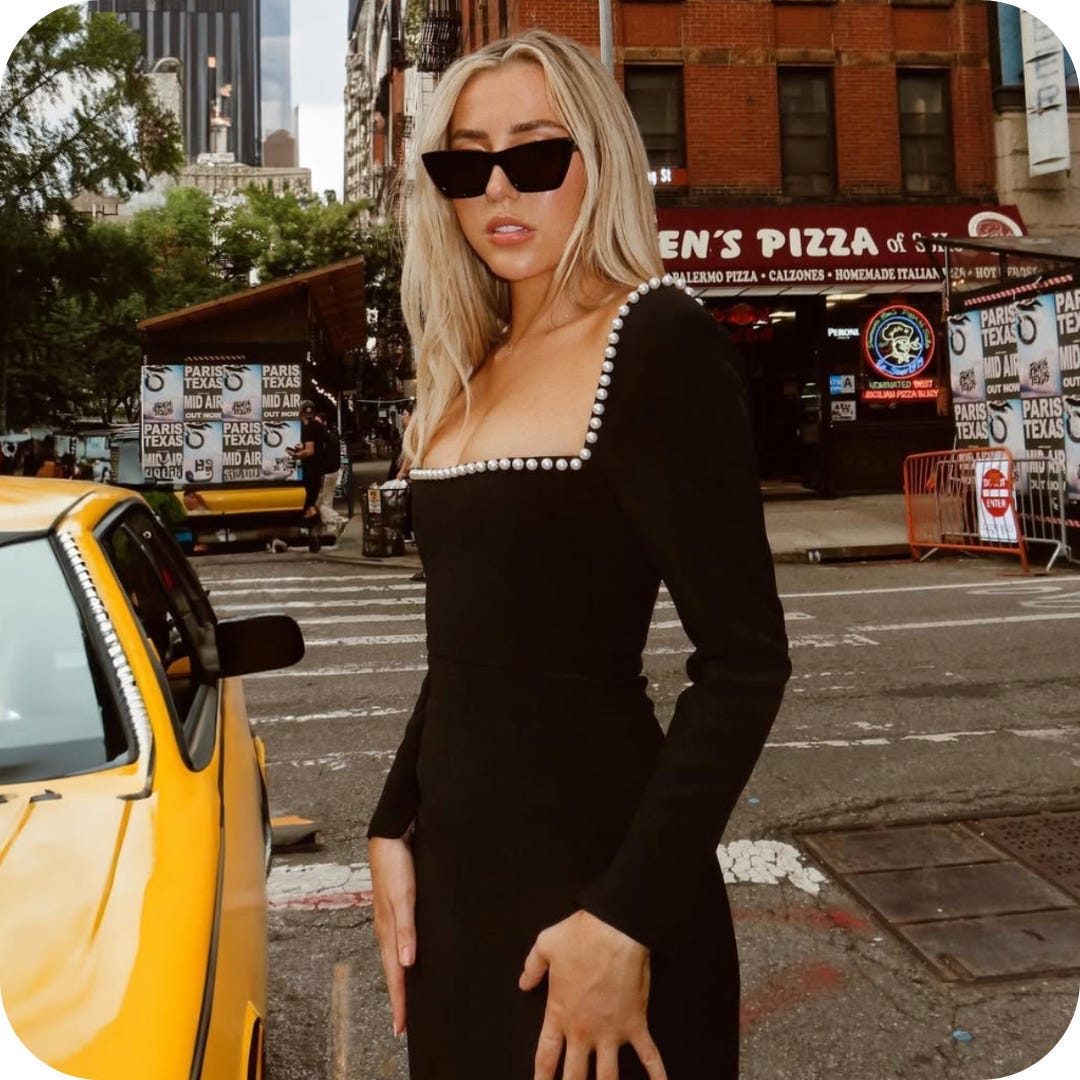
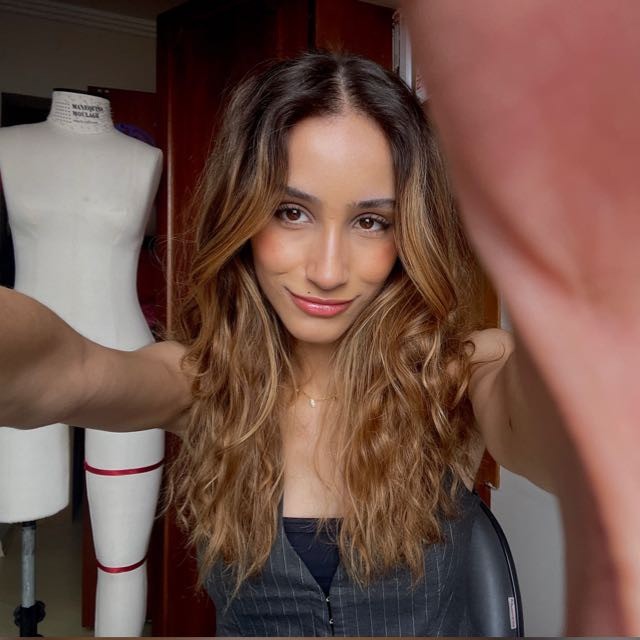
Founded by Aimee Smale in September 2020, Odd Muse launched with a clear value proposition: “redefines investment fashion for young women, offering timeless, accessible luxury.” And from the start, everything: from the brand’s visual identity to Aimee herself as the face of the label, reflected that positioning.
Aimee didn’t just create an aesthetic that resonated with women in their twenties looking for quality and accessible sophistication, she also leaned into her reality. By modeling her own designs, she inadvertently reinforced the brand’s authenticity and relatability.
With brand, positioning, and narrative working in sync, product followed naturally. The Ultimate Muse Blazer quickly went viral: sharp tailoring, a cinched waist, subtle structure,, all embodying that signature “sophisticated & sexy” energy. The built-in belt added versatility, making it a go-to piece for multiple occasions without compromising elegance.
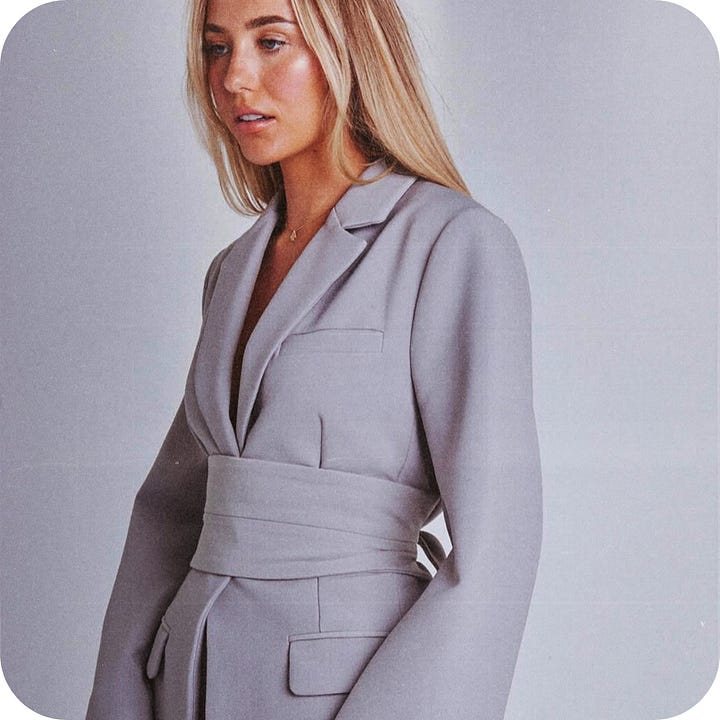
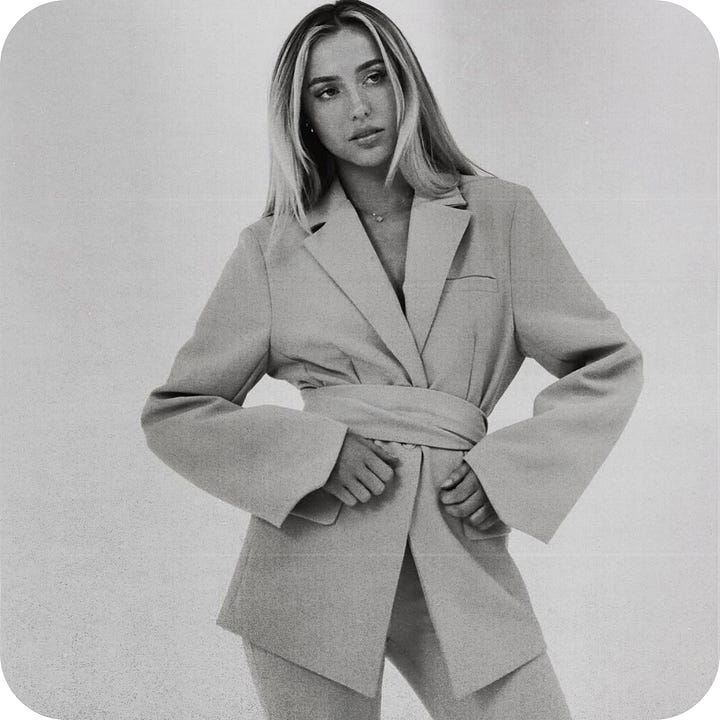
The Ultimate Muse Blazer
But in 2022, Aimee pushed for expansion. Tired of being a “one-product brand,” she invested heavily in a summer collection and threw a high-profile launch party in LA, spending around £40,000. The event attracted media, influencers, and paparazzi. But the collection? It didn’t sell.
The brand’s financial health survived thanks to ongoing sales of the blazer. But the obvious question followed: what went wrong?
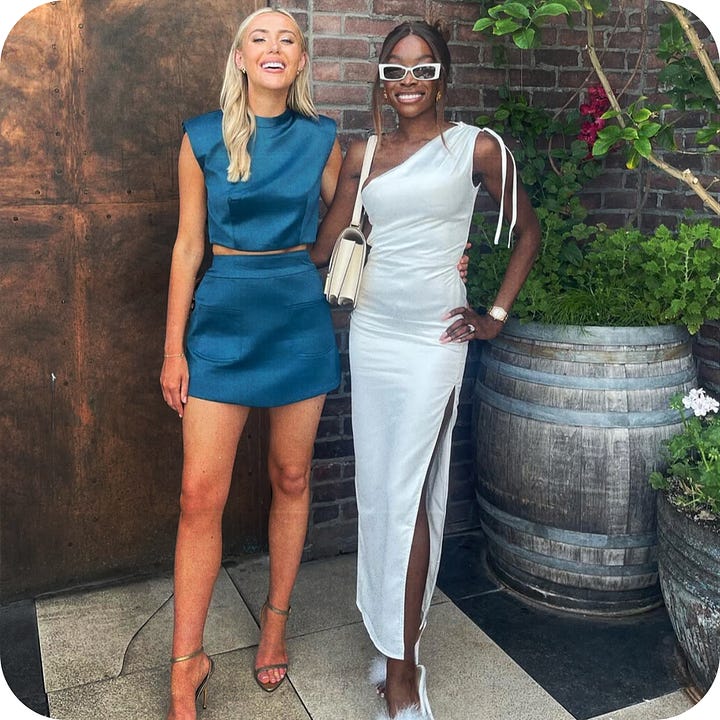
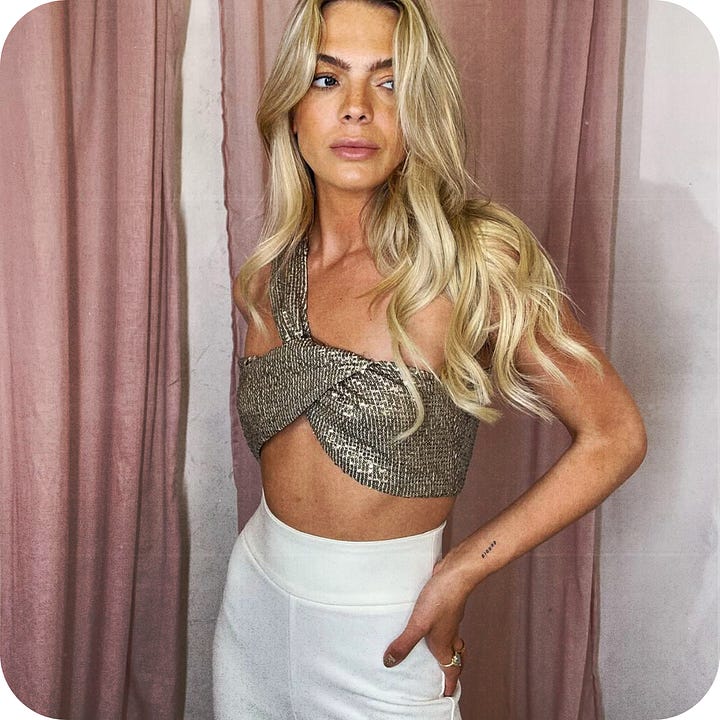
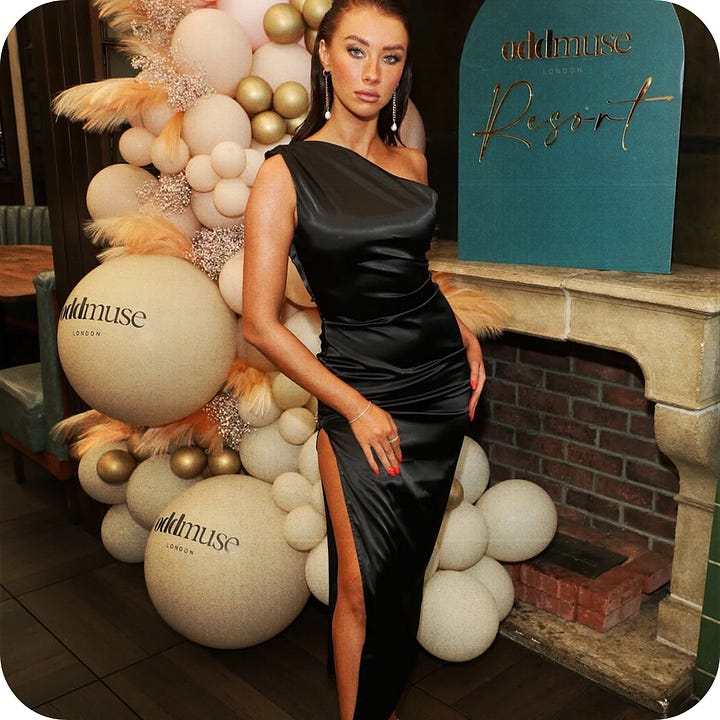
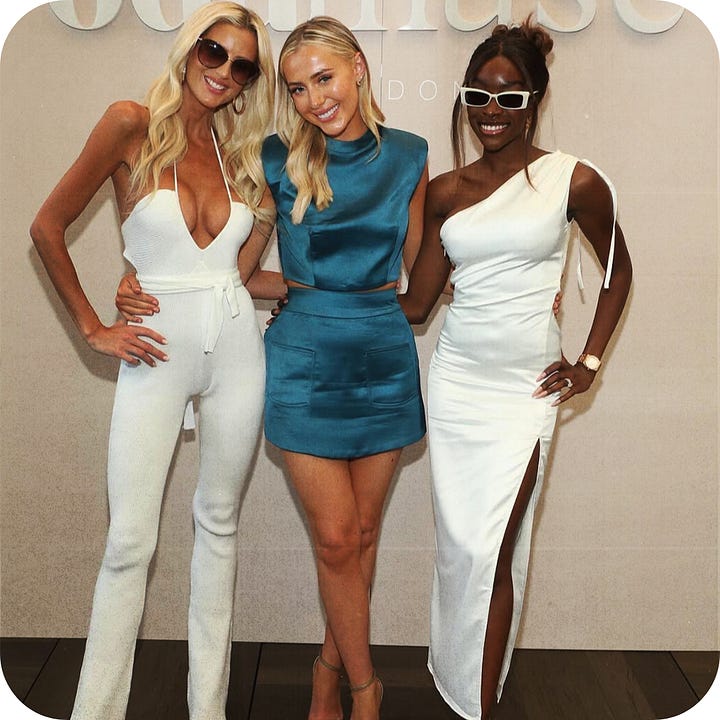
Summer Collection and party in LA
The answer lay in the misalignment of strategic pillars. The campaign leaned into a trend-driven, high-glam aesthetic that clashed with Odd Muse’s promise of timeless investment pieces. The narrative now screamed “of the moment,” while the products lacked the subtlety and polish that originally built the brand’s credibility. Pieces were overtly sexy, and the materials and finishes didn’t reflect the same refinement.
Aimee herself recognized the misstep:
What had once been a clear progression: brand → positioning → narrative → product — was now fragmented.
This was the brand’s pivotal lesson: growth isn’t about doing more, it’s about doing better. Strategy isn’t scale. It’s alignment.
Aimee had lost the thread. And what she needed wasn’t just a new collection, it was a return to clarity. That’s the challenge many young brands face after their first breakout success.
As we’ll see, the turning point came when she returned to what worked: timeless, well-designed, identity-driven products.
Back to Basics (Or Not So Much)
The Ultimate Muse Blazer carried Odd Muse for quite some time. But the next big move came in December 2022, when Aimee launched the Pearl Dress, and with it, the brand scaled from £400K to £1 million in revenue within the same year.
The difference? This time, the product once again embodied the brand’s essence.
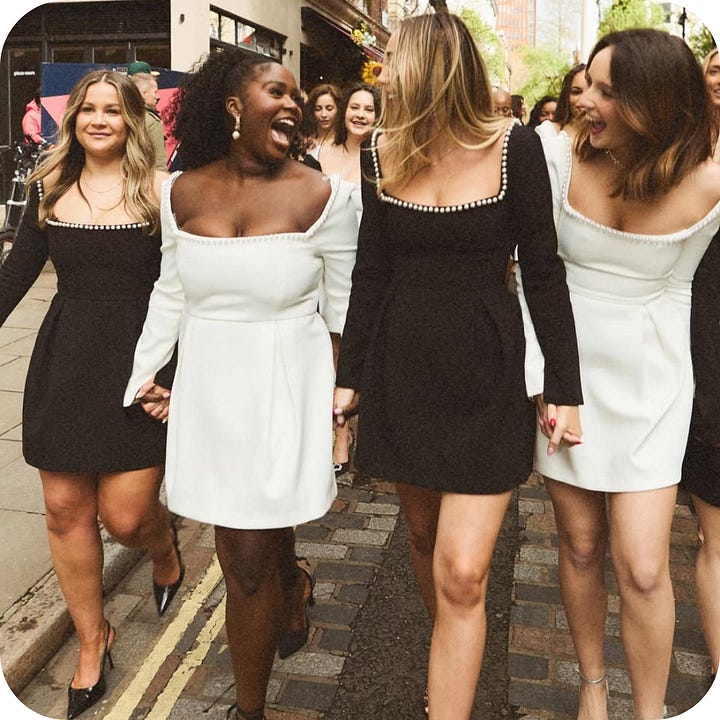
The Pearl Dress
For a while, Aimee believed that timeless pieces had to be casual or utilitarian, clothes for daily or office wear. That limited her vision. But reinterpreting what “wearing something many times” actually meant opened a new perspective: a dress can be timeless if it’s the one you choose for life’s most memorable moments.
“We always say sophisticated and sexy.”
The Pearl Dress followed the same formula as the blazer: impeccable structure, feminine curves, a defined waist, and the perfect amount of volume. A design that makes a woman feel sophisticated without being over the top, and more importantly, a piece the client wants to wear every time she gets the chance to shine.
That internal reframing became a strategic repositioning. Odd Muse was no longer just known for the blazer, it became a brand people associated with milestone moments: “I wore it to my wedding,” “I wore it to my graduation.” Pieces like that create emotional belonging. They’re not just clothes, they become symbols. And symbols build loyalty in a way trends never could.
This is the kind of product that fuels consistent brand growth: not through volume, but through intention.
A great product isn’t just about design. It’s about understanding your brand, and your audience (deeply).
Product as Translation
Odd Muse’s version of sexy is not the same as Jacquemus, Miu Miu, or Versace — and that distinction is exactly what makes the brand powerful. Each label interprets sensuality through its own lens, shaped by concept, audience, price point, materials, cuts, and visual language.
The Odd Muse woman wants to feel beautiful, mature, and put-together, but never overdone. And that’s precisely what the brand’s design delivers: a balanced combination of clean lines and curves. Unlike traditional menswear tailoring, which emphasizes shoulders and vertical lines, Odd Muse highlights the waist and hips through precise sculpting, not overly romantic or decorative, just intentionally refined.
This “clean balance” allows customers to feel assertive and elegant without compromising youthfulness. Structured blazers, pocket placements that enhance the hips, nipped-in waists through cut or proportion, and vintage-inspired buttons; all of these details reinforce the idea of subtle sophistication.
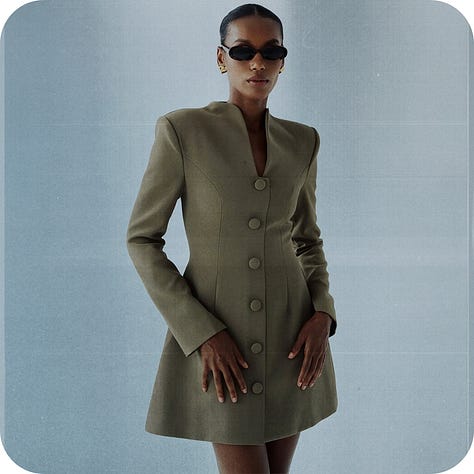
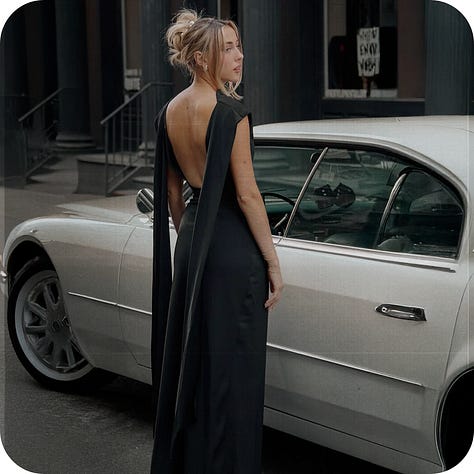
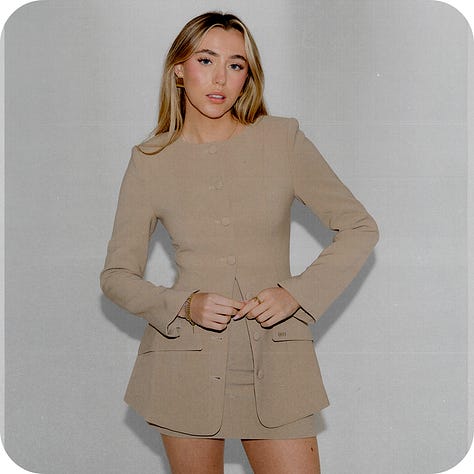
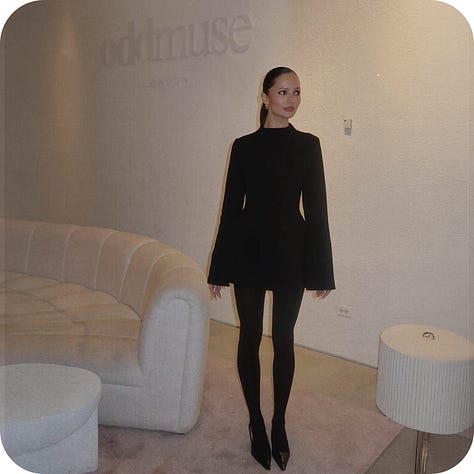
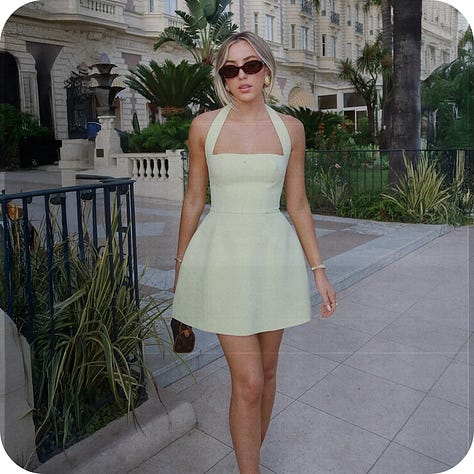
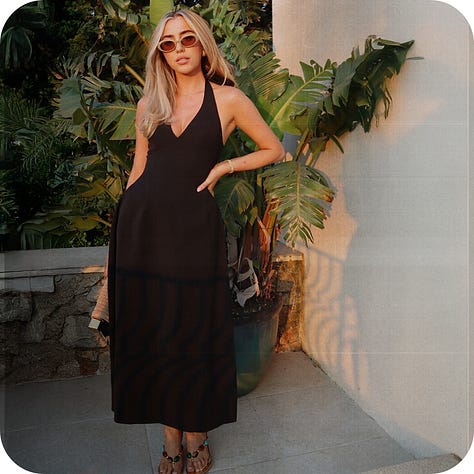
1. Button Down Dress 2. Drape Maxi Dress 3. Tailored Jacket 4. Split Sleeve Mini Dress 5. Structured Mini Dress 6. Volume Midi Dress
Even less structured pieces follow this principle. The Wool Zip Jumper, for example, pairs the natural ease of knitwear with a high collar and zipper that introduce strong verticality. Once unzipped, the neckline softens into a more fluid curve. The Oversized Coat leans more into sharp lines, but of course, with rounded lapels as a brand signature.
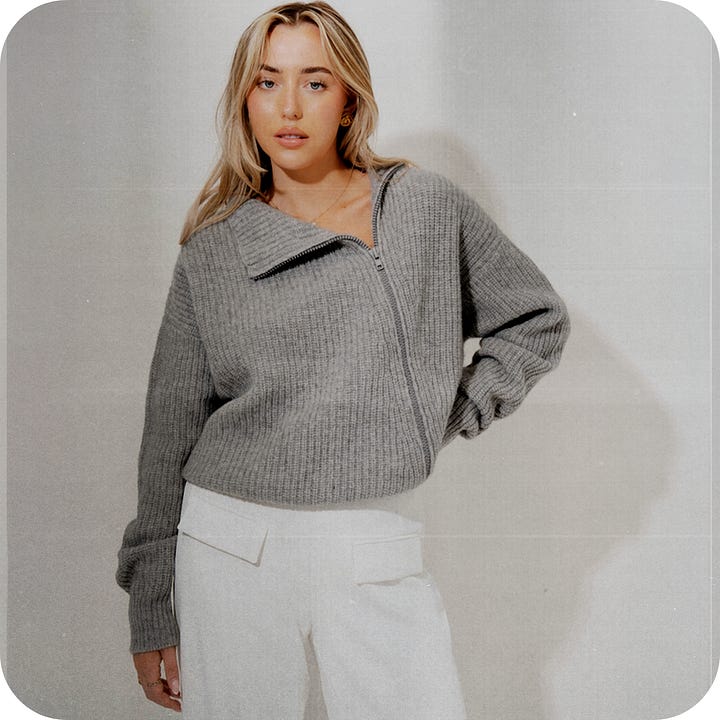
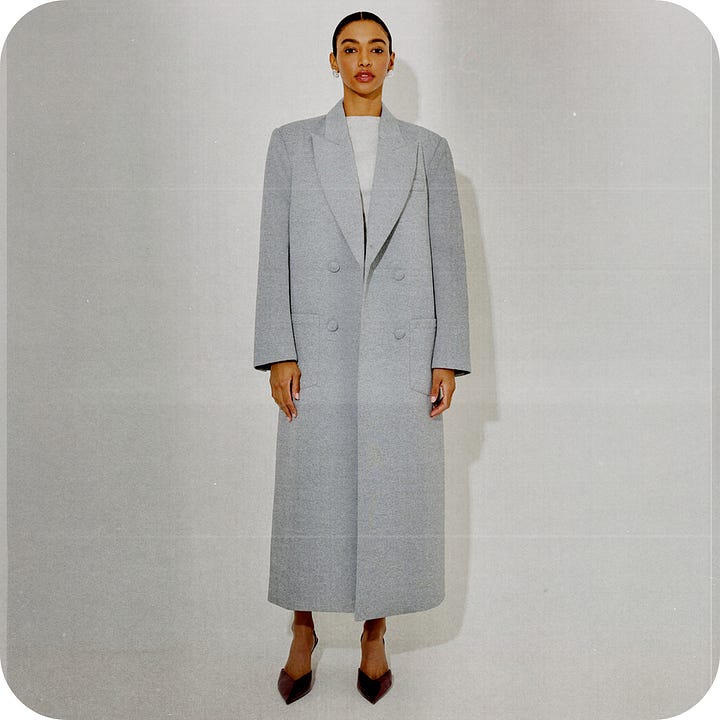
1. Wool Zip Jumper 2. Oversized Coat
This design logic holds across categories: eveningwear, casual, summer, winter, even bridal. Odd Muse doesn’t replicate formulas, it understands its visual identity and expresses it consistently.
Odd Muse shows that experimentation and expansion are possible without compromising identity. That’s what builds long-term brand desire: products that clearly embody your values, no matter the category.
Narrative and Product Misalignments
Returning to the logic: brand → positioning → narrative → product. Odd Muse had kept this flow tightly aligned, until some narrative and material choices started creating noise.
For a long time, the brand used the term “slow fashion” in its messaging. But certain materials (particularly the frequent use of polyester) created a disconnect from that promise. This inconsistency sparked criticism, especially on platforms like TikTok, where terms are scrutinized and context is easily lost.
This wasn’t a foundational flaw. Odd Muse clearly cares about design, construction, and its production process. The problem was a misalignment between narrative and product, and in the digital landscape, perception gaps can quickly become brand risks.
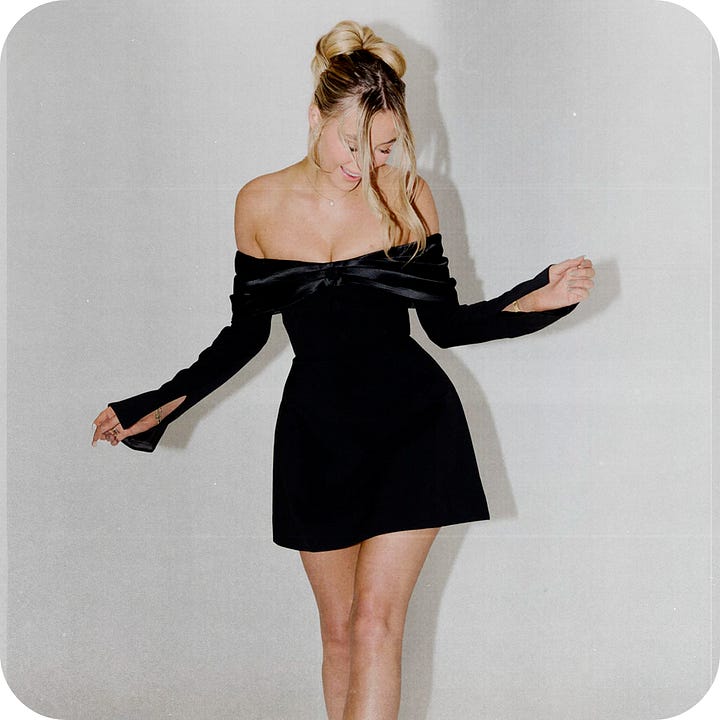
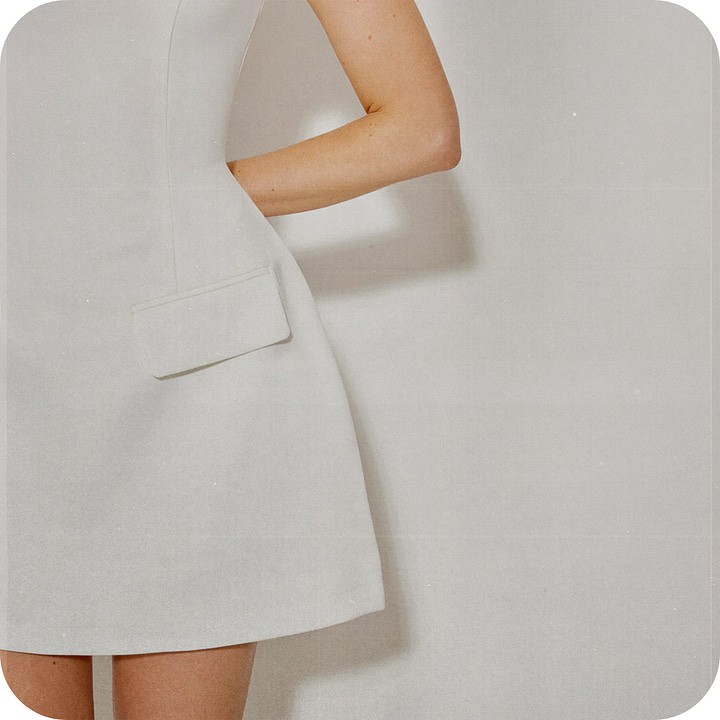
The classic shapes of Odd Muse benefit from polyester, gaining structure and a more accessible price point
So what can a brand do?
There are two valid paths forward, as long as the choice is strategic and intentional:
Reframe the narrative around longevity and craftsmanship: Instead of focusing on sustainability through materials, the brand could emphasize long-term wear, emotional value, and garment durability — pieces meant to last and be passed on. This aligns well with Odd Muse’s core identity and avoids specific terms that have led to criticism.
Gradually improve material choices: With greater control over manufacturing and increased customer maturity, the brand can evolve compositions for key pieces. We’re already seeing this in the knitwear category with 100% wool knits and nylon replacing polyester in some products. For staples like blazers and tops (where fit is already validated) upgrades could include: natural fibers, high-grade recycled polyester or polyamide for better touch, comfort, and perceived value.
Both paths serve brand equity. And above all, storytelling must be grounded in product truth. Odd Muse has the foundation — and clarity — to make that connection solid again.
How to Apply This to Your Own Brand
If Odd Muse’s story offers one clear takeaway, it’s this: when brand, positioning, narrative, and product are in sync, growth stops being accidental, and becomes intentional.
To apply this thinking to your brand, use these four strategic questions as your compass:
Why does your brand exist?
What role do you want to play in your customer’s life? For Odd Muse, it was about helping young adult women access well-designed, high-quality, structured pieces — real investments in their style. If your brand is already running, look at what sells consistently and why. If you’re still in development, do the research. Talk to real people. Observe habits and unmet desires.
How do you position yourself?
Your positioning isn’t what you claim, it’s what your actions communicate. Price point, sales channels, partnerships, visuals, launch frequency; they all send signals. Odd Muse positions itself as accessible luxury not just through pricing, but by showing behind-the-scenes processes, editorial content in fashion capitals, and a selective wholesale strategy.
What’s your narrative?
Your brand’s reputation is built on coherence between story and delivery. Saying you’re a “chill” brand while behaving chaotically doesn’t work, the market sees through it. Odd Muse faced this tension when it embraced “slow fashion” language but used polyester extensively. The issue wasn’t the material itself, it was the gap between message and perception. Strong narratives emerge at the intersection of belief, action, and customer experience.
Does your product reflect all of this?
Your product is the final (and most visible) layer of your brand. It’s where everything becomes tangible. From fabric choices to silhouette, to how a piece fits into your client’s real life, your product needs to embody your values.
When these four pillars align, the brand gains clarity — and customers, confidence. And with confidence comes consistency. That’s what builds long-term desire.
If your product still doesn’t reflect what your brand promises, maybe what you need isn’t a new collection, but a new direction.
If you’d like to explore that together, feel free to reach out: contact@baraldi.co
Let’s keep in touch.
Discover more about high-performance web design. Follow us on Twitter and Instagram.