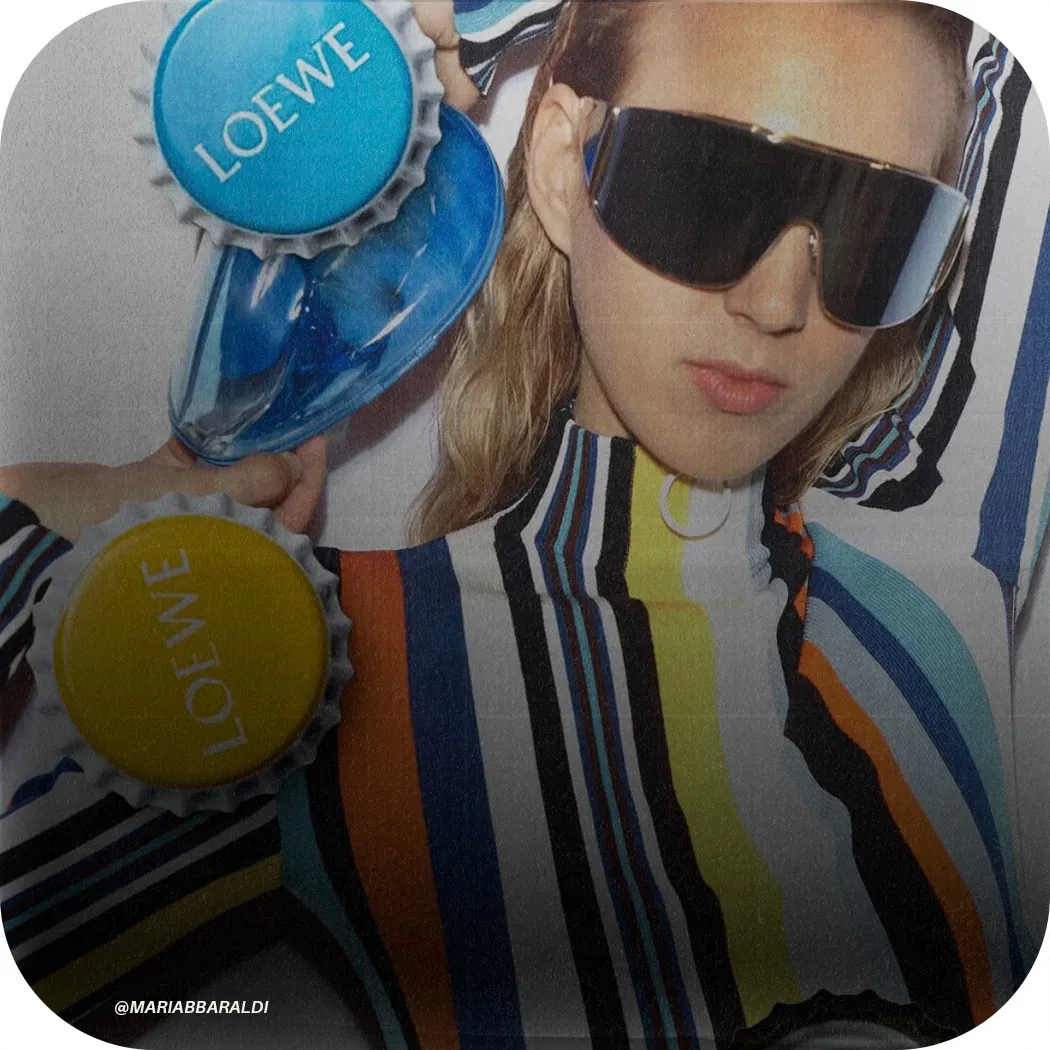

You’ve likely been investing in communication (from paid traffic to a stunning Instagram feed) yet sales stay flat, repeat purchases are rare, and the customers who do show up only care about discount.
Summary (what to expect from this newsletter)
The consequences of focusing solely on marketing
What exactly is a broken product promise?
From Odd Muse to Miu Miu (no one is immune)
What to do about it
The Consequences of Focusing Only on Marketing
Everyone’s had the experience of falling for a brand. The visuals are stunning, the editorials are gorgeous, the aesthetic is everything — “this is going to be a great buy.” Then the piece arrives and brings the letdown: the fit is off (even in your size), or the fabric is so poor you question whether it’s dropshipping. It’s not what you expected.
As someone who lives fashion from every angle (as a consumer, consultant, and academic) I’ve seen this across the board: brands (from indie to billion-dollar luxury) are putting too much energy into visuals and marketing and not enough into the product itself. And with all due respect: trying to sell something the product can’t deliver on becomes a missed opportunity, and often, a costly one.
What do I mean by “selling what doesn’t exist”?

Especially in the premium/mid-luxury/luxury space, brands can’t position themselves at the top while offering products made almost entirely of polyester, with poor tailoring, or generic design that could easily compete with Shein. Yet they wrap it all up in beautiful branding. The problem? Consumers are becoming more product-savvy. They know what value looks like, and when a “premium” product disappoints, they feel deceived. They can see the price doesn’t match the quality. And that’s where the cracks start to show.
Online, it takes very little to damage your reputation. That disappointed customer? They’re one TikTok away from sharing their experience. And they won’t hesitate, because your brand didn’t live up to its “premium” promise.
This disconnect between marketing and product usually shows up in three ways:
High traffic, low conversion: The promise breaks at the website level, customers spot the misalignment immediately.
Low repeat purchase rate: Or, as marketers say, low LTV. Customers don’t come back. One-time buyers don’t build a brand.
Skyrocketing CAC: You’re spending heavily on ads, but returns are flat. You think it’s about reach, but more eyeballs won’t help if your product isn’t aligned. Word-of-mouth also stalls, and that lack of organic momentum pushes your acquisition cost higher.
Broken Promises, Fading Brands
Few things break consumer trust faster than a product that doesn’t live up to its promise, especially when the brand positions itself as premium.
In this section, we’ll look at how that promise gets broken: from quality issues to branding that’s beautiful but soulless.
1. Failing at the core promise: product quality
The baseline for a premium or luxury brand is to deliver a product that’s clearly above average for its category.
Brands that try to elevate with ultra-premium marketing while keeping average (or subpar) product quality will only go so far.
2. Unjustified price increases
Luxury goods traditionally follow the logic of Veblen Goods, higher prices signal rarity and exceptional quality. But brands are now pushing this logic to its breaking point:
Drastic price hikes without innovation. From 2019 to 2024, average luxury prices rose 61% in the US, often with no product upgrades.
Inflation outpaced. Pre-pandemic, luxury brands raised prices 5–7% annually (double inflation). Now, some push 20%+ per year with nothing new to show.
If the product doesn’t keep up, consumers notice. And worse: they lose trust.
3. Creative fatigue and loss of brand intent
Weak creativity and logo overload dilute brand equity. Many brands start copying each other, chasing trends with generic visuals. Pretty campaigns that say nothing. Trying to please everyone often means connecting with no one.
In premium markets, every decision (every communication, every photo, every popup) must reflect intention. That’s how you justify the price.
And the ripple effects are real:
LVMH’s profits dropped nearly 20%; Kering saw a 51% dip at Gucci.
Luxury lost 50 million consumers in two years.
Hermès, on the other hand, is the exception, delivering quality, consistency and intentionality in every touchpoint.
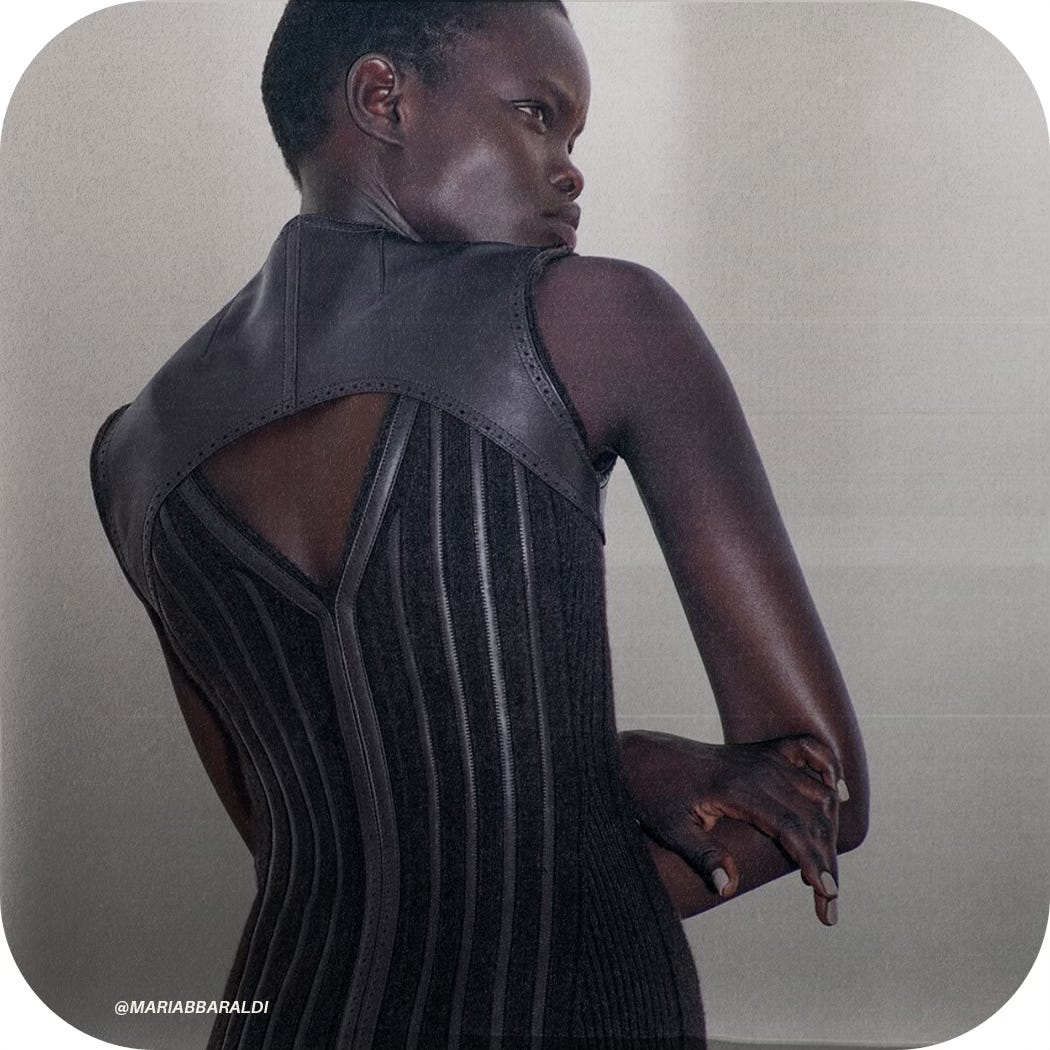
When even high luxury becomes unreliable, consumers start looking elsewhere: secondhand markets, independent brands, niche labels that promise less but deliver more. That’s the opportunity for emerging names.
Luxury brands selling average products at inflated prices are like Michelin restaurants serving frozen meals. Marketing might get the first visit, but the experience betrays the promise. Critics (influencers, social media) call it out. And customers stop paying for what they know they can find better (or more authentic) elsewhere.
More reach doesn’t always equal more sales. Sometimes it just means more people seeing the misalignment.
From Odd Muse to Miu Miu (no one is immune)
Miu Miu was one of the most successful luxury brands in recent years: trend-setting, top of the Lyst Index, viral campaigns, record sales.
But it took just one (actually two) TikToks to shake its reputation. In a video by Wisdom K, he shares how after spending $18,000 on Miu Miu pieces, two broke immediately: a £2,400 coat zipper and $4,000 coat buttons. Even the replacements broke. Despite strong positioning and momentum the internet gave Miu Miu a new nickname: Temiu Temiu.
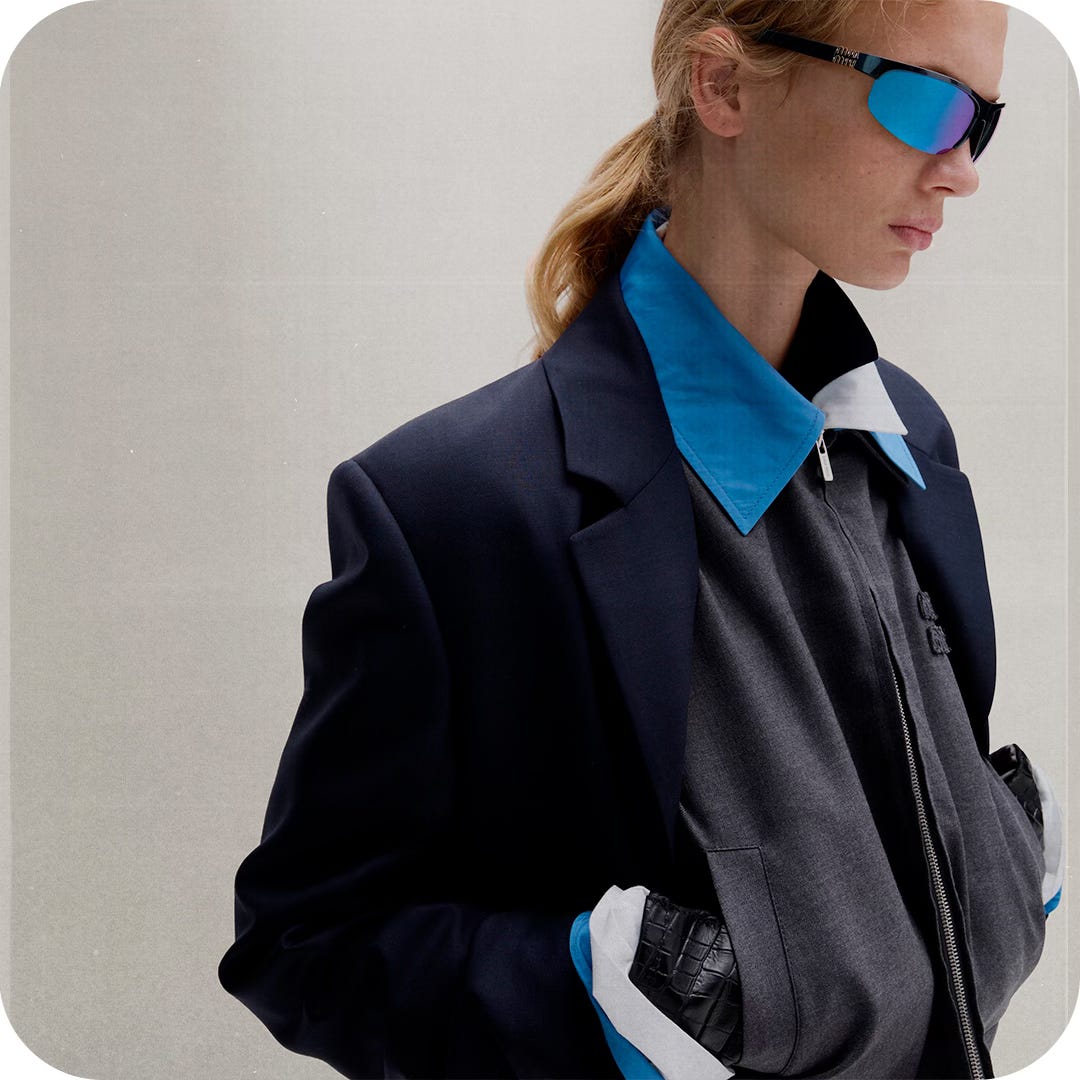
The implication? Miu Miu = fast fashion quality at luxury prices. That kind of disconnect shatters years of branding in a heartbeat.
Miu Miu has always had a playful, youthful identity (a Gen Z favorite). But when an influencer of Wisdom K’s scale exposes this kind of flaw, the damage isn’t just viral, it’s strategic. Aspirational consumers start to question everything. “Is this brand worth the price, or is it just arbitrarily expensive?”
Odd Muse, though smaller, faced a similar backlash. Known for sharp design, consistent branding and an engaged founder, the brand positioned itself as slow fashion, but many of its pieces are made with polyester.
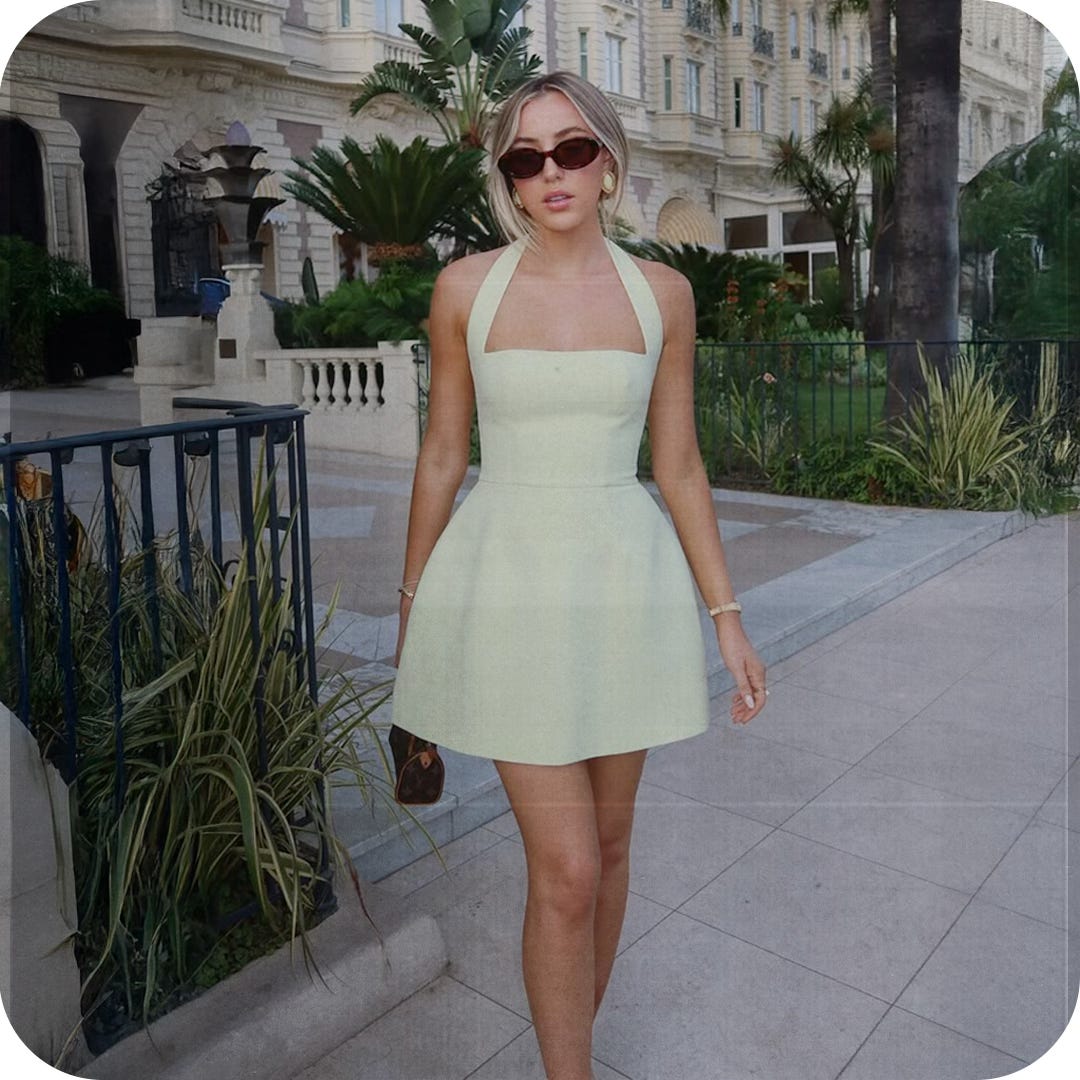
The result? Internet backlash, attacks on founder Aimee, and (again) the “fast fashion” label. The brand does care about quality and process. But when the message is “mid-luxury meets slow fashion” and the materials don’t support that claim, trust cracks.
To be fair, polyester can make sense for structure or durability (especially in Odd Muse’s tailored dresses). But when the same composition appears in basic pieces, customers question it. They’re more informed than ever. That’s why knowing how to communicate your product choices (including materials) is essential.
Want a deeper dive into Odd Muse? I unpack more in this previous newsletter.
How to Fix It
Most smaller brands do care about product quality and customer satisfaction. But keeping every detail aligned with your brand promise is hard. Even with the best intentions, misalignment can happen, especially if you recognized your brand in any of the scenarios above.
So what’s the first step?
Make quality a pillar of the brand, not a bonus.
For premium/luxury consumers, quality isn’t a bonus. It’s the baseline.
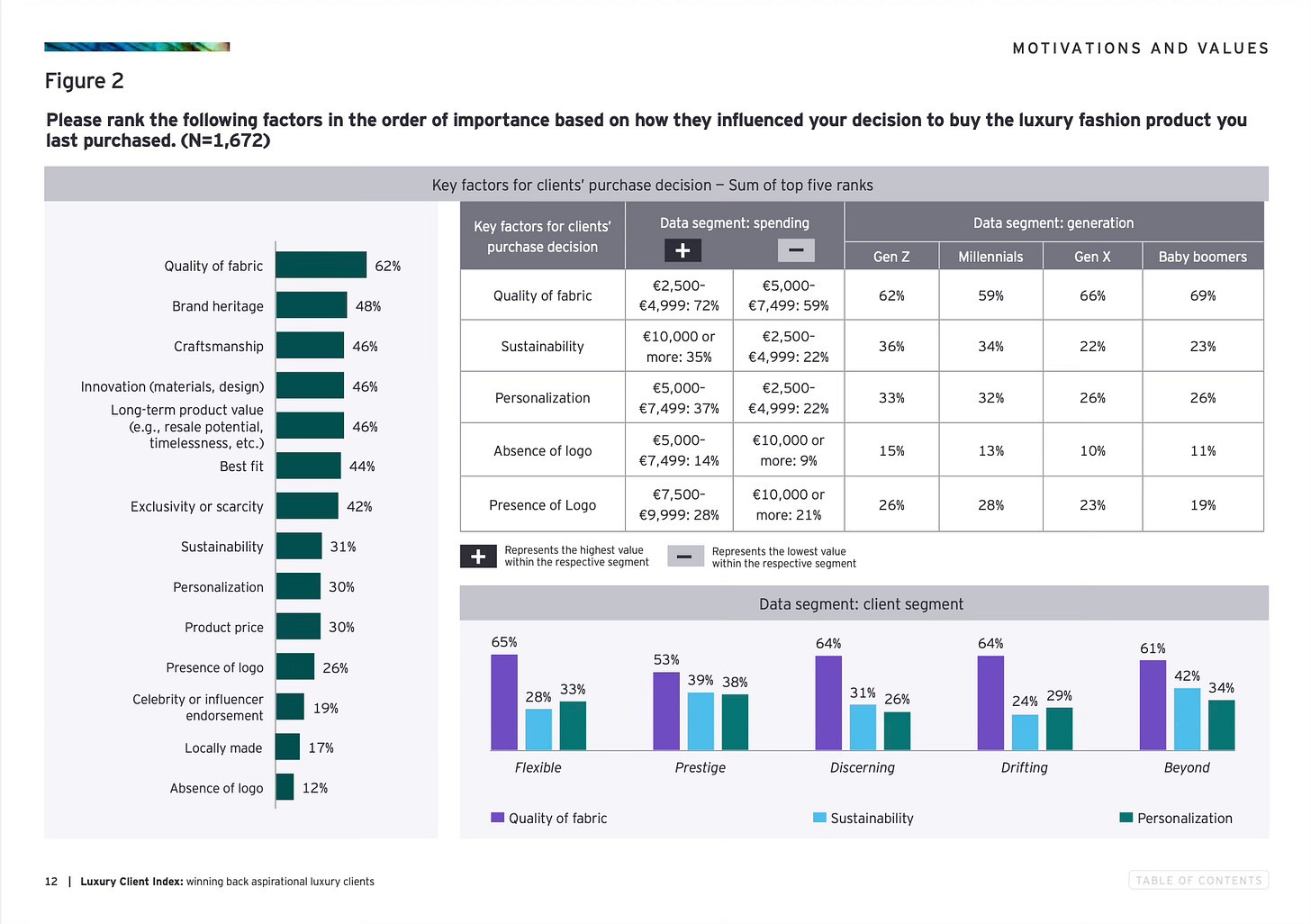
In the 2025 Luxury Client Index, product quality ranked as the #1 luxury driver: above exclusivity, celebrity endorsements, personalization, and even price.
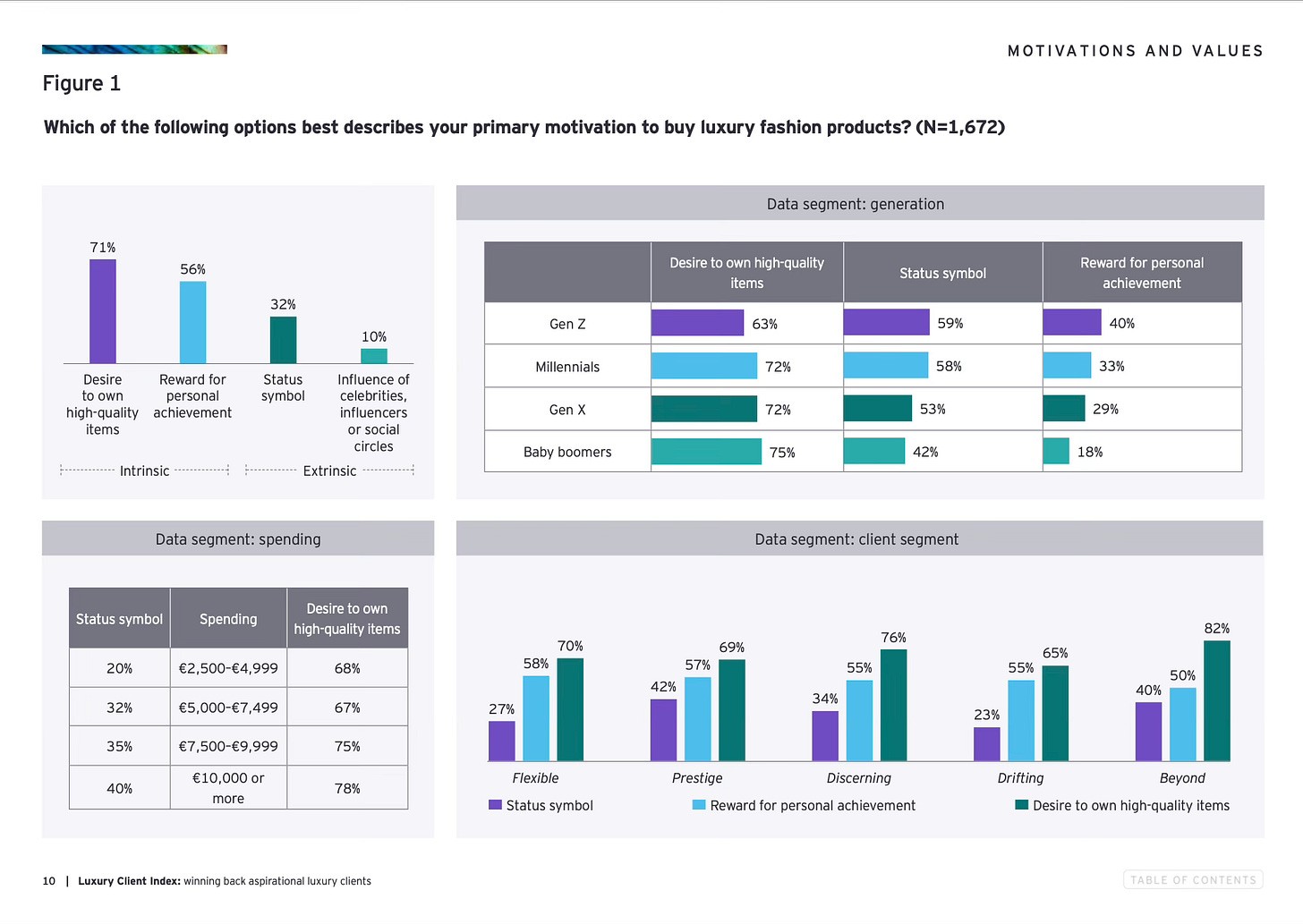
Top purchase drivers: fabric quality (62%) and craftsmanship (46%), ahead of price (30%).
A classic example? Hermès. The only major brand escaping the “luxury slowdown” because they focus relentlessly on product.
No production lines. One artisan makes one bag from start to finish. Quality over shortcuts. Craft over scale.
But quality alone doesn’t sell. Marketing matters, as long as it aligns with what the product delivers.
Make your communication specific. Share fabric composition. Explain why you chose that material, that fit, that detail. Show how it fits into your customer’s life.
Hermès does this with precision. They talk about materials, heritage, craftsmanship; all reinforcing one idea: this is a piece made to last. A bag you buy once and never need to replace.
That’s what intentional storytelling looks like. Where design = brand ethos.
In a world where the packaging gets more attention than the gift, and anyone can launch a fashion brand overnight, product quality can’t be an empty promise. Marketing alone won’t hold the weight. Paid media gets expensive. And ineffective.
The brands that thrive? They build solid foundations: brand + product.
The biggest challenge for premium, mid-luxury, and luxury brands today is proving that price = value. Customers don’t assume it anymore.
Brands with intentional communication, internal alignment, and real consistency earn loyal fans, strong word of mouth, and a lot less reliance on ads.
Because if your product doesn’t deliver the promise, more visibility just exposes the disconnect.
If this resonates with where your brand is right now
I recently opened a few 1:1 spots to support fashion founders who want to align brand and product in a tangible, strategic way. Happy to chat and see if this fits your goals for 2026!
If you’re curious to understand how your product is translating (or betraying) your brand, reply to this email or message me at contact@baraldi.co.the time to fix it.

Let’s keep in touch.
Discover more about high-performance web design. Follow us on Twitter and Instagram.

