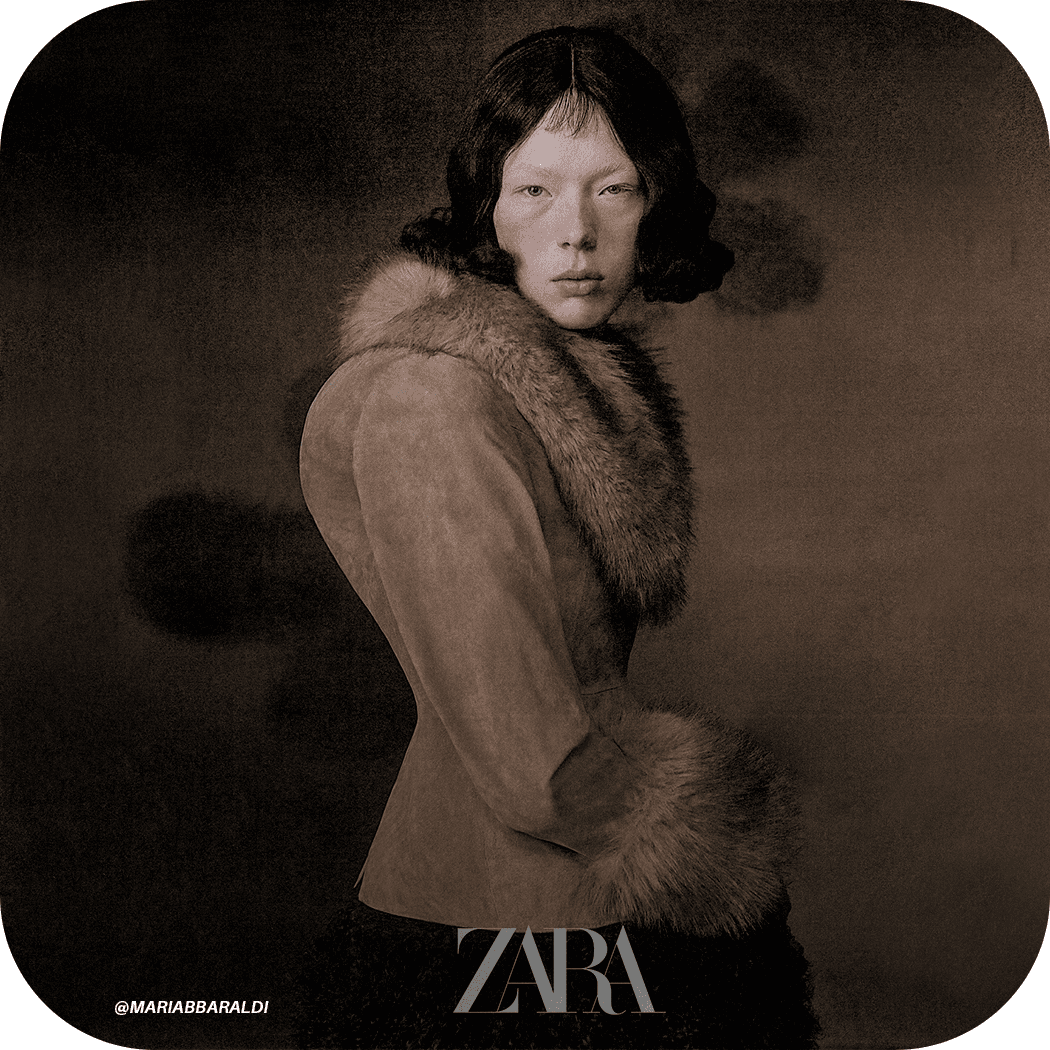

Luxury brands don’t launch more. They launch smarter.
So… What’s the Problem?
What do you actually gain from launching every month? More visibility? More excitement? More revenue?
Possibly.
But what about margin stability? Operational clarity? Brand equity?
In fashion, launching frequently feels productive. There’s press, there’s anticipation, there’s a sense of relevance. From the outside, it signals growth. Internally, however, the story is often different.
Launching frequently only works at scale when volume compensates for everything else: compressed margins, diluted quality, and constant development costs.
There is a formula for high-frequency launches:
Increase quantity
Lower the refinement threshold
Follow what’s already selling elsewhere
That model exists and it works. It’s called ultra-fast fashion.
And even legacy fast-fashion giants are no longer relying on pure volume alone. Capsule drops, strategic collaborations, and premium repositioning are signals. When even the largest players pivot, it’s worth asking why.
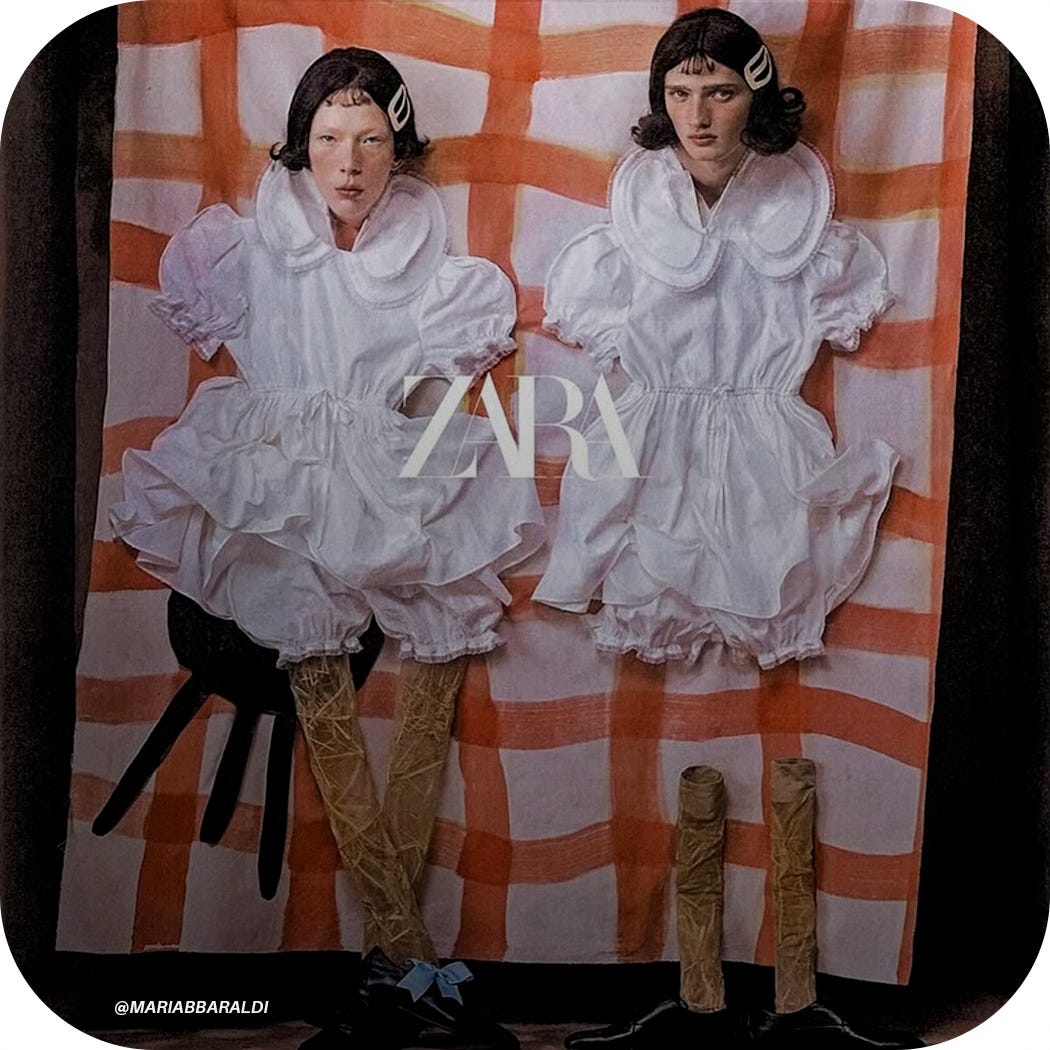
If you’re reading this, you’re probably not building a volume-driven brand. You want recognition, longevity, and products you’re proud to stand behind.
So let’s address the uncomfortable truth: recurring launches don’t automatically build differentiation. They rarely build sustainable profit; more often, they build complexity.
SKU Rationalization Isn’t Operational. It’s Strategic.
Every fashion brand operates with overlapping collections, development cycles, and marketing calendars. When launches multiply, attention disperses.
Design teams move faster, but not necessarily deeper. Campaign narratives shift before the previous one had time to settle. Product development becomes reactive instead of intentional.
Over time, three things tend to happen:
Identity weakens.
Quality slips.
Inventory accumulates.
Customer trust quietly erodes and perceived value drops.
SKU rationalization is often treated as a cost-cutting exercise when it isn’t.
It forces a brand to continuously evaluate:
Which products genuinely perform?
Which designs reinforce our visual identity?
Which SKUs quietly erode margins?
Which pieces consistently sell out, and why?
With a reduced and intentional SKU structure, data becomes usable, patterns become visible, and you stop guessing and start observing.
Nielsen IQ reports that availability is one of the top three factors influencing online purchase decisions, cited by over 85% of consumers. If your best-selling product is frequently out of stock because you’re busy developing something new, you are unintentionally redirecting demand elsewhere.
Strategic reduction creates:
Cost efficiency through focused production.
Revenue stability by doubling down on proven demand.
Brand recognition through coherent design language.
Operational sustainability with fewer excess runs and waste.
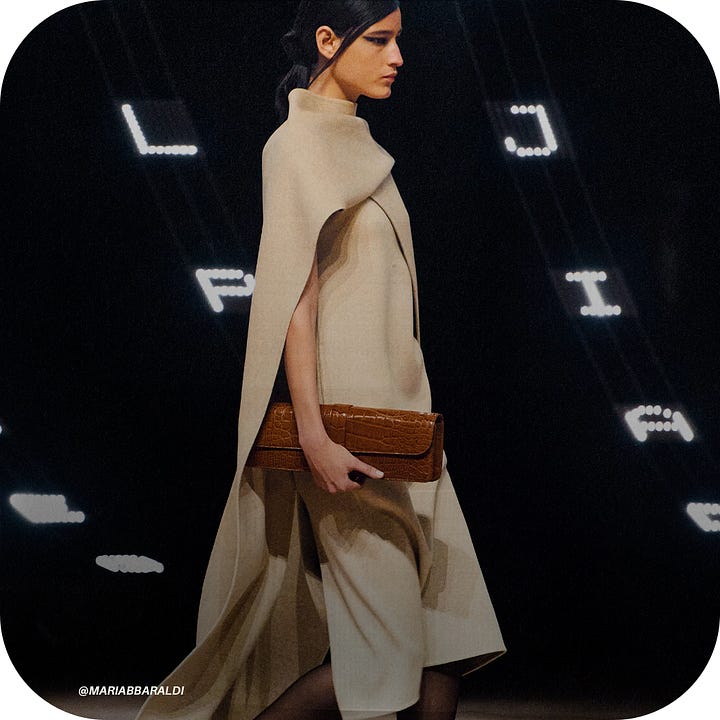
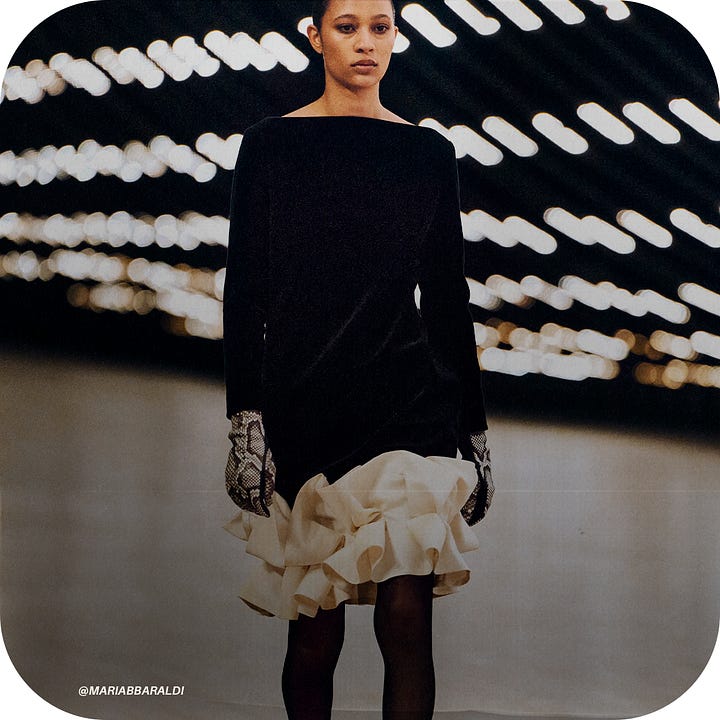
How This Actually Plays Out: The Odd Muse Case
Odd Muse is a strong example of product-led growth done correctly (and incorrectly, at first).
The brand gained traction with a clear promise:
“Redefining investment fashion for young women through timeless, accessible luxury.”
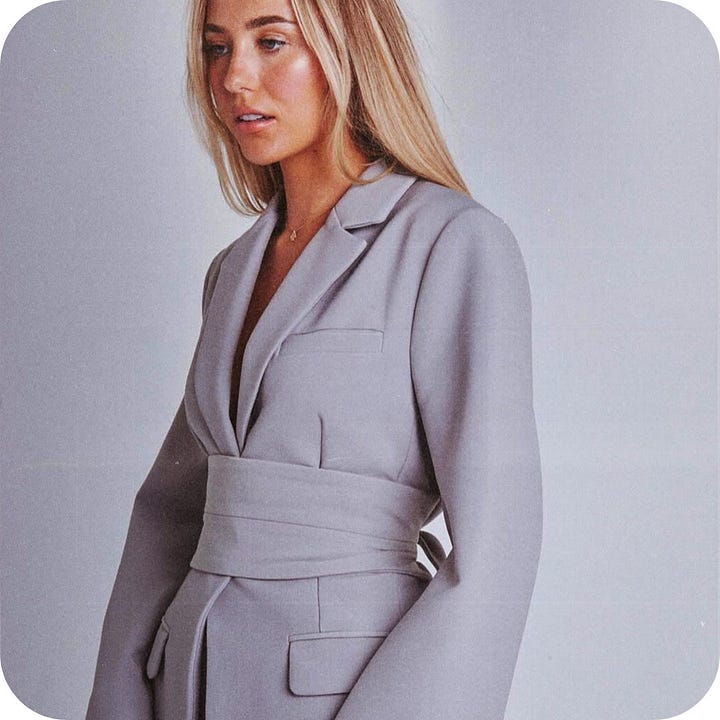
Its breakout piece, The Ultimate Muse Blazer, embodied that promise perfectly: structured, feminine, refined. A silhouette that balanced authority and softness.

Then came expansion.
In 2022, founder Aimee Smale invested heavily in a summer collection and hosted a high-profile launch event in Los Angeles. The event attracted media attention and influencers. From the outside, it looked like growth.
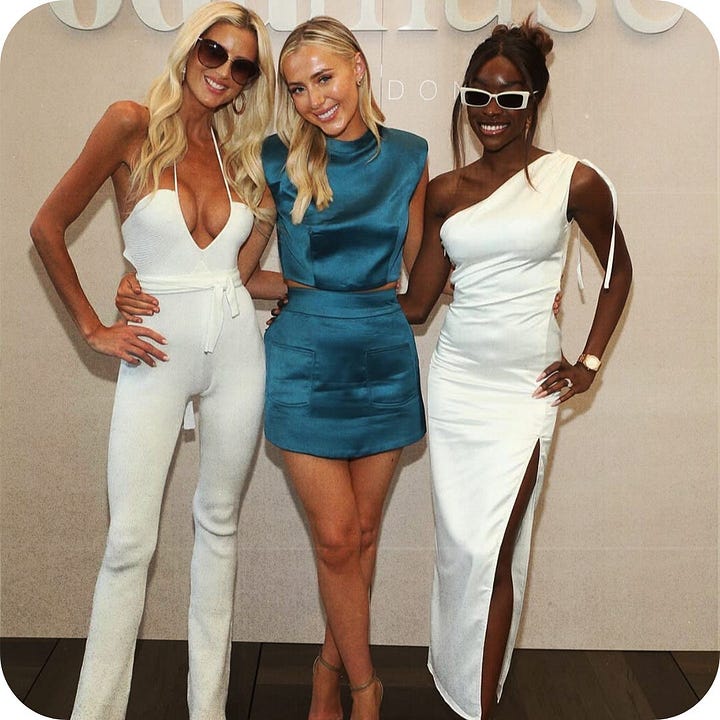
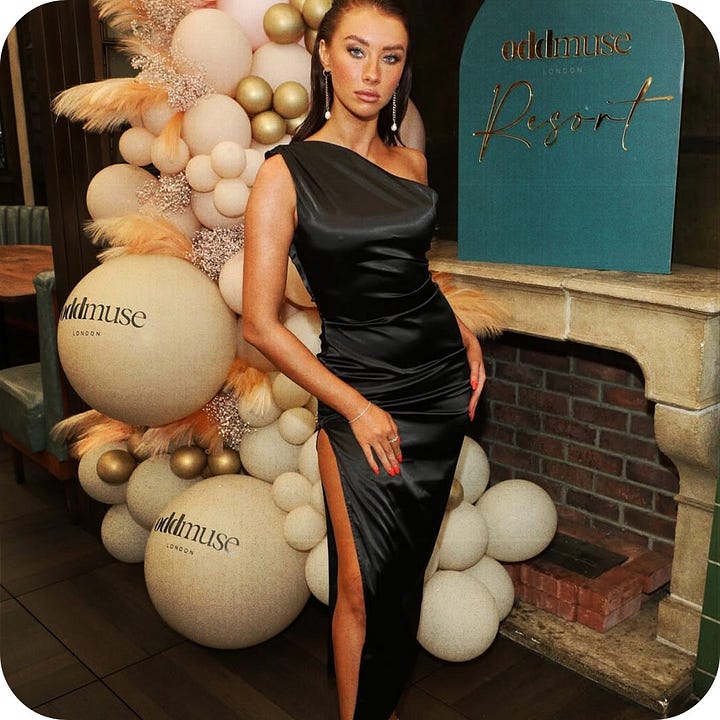

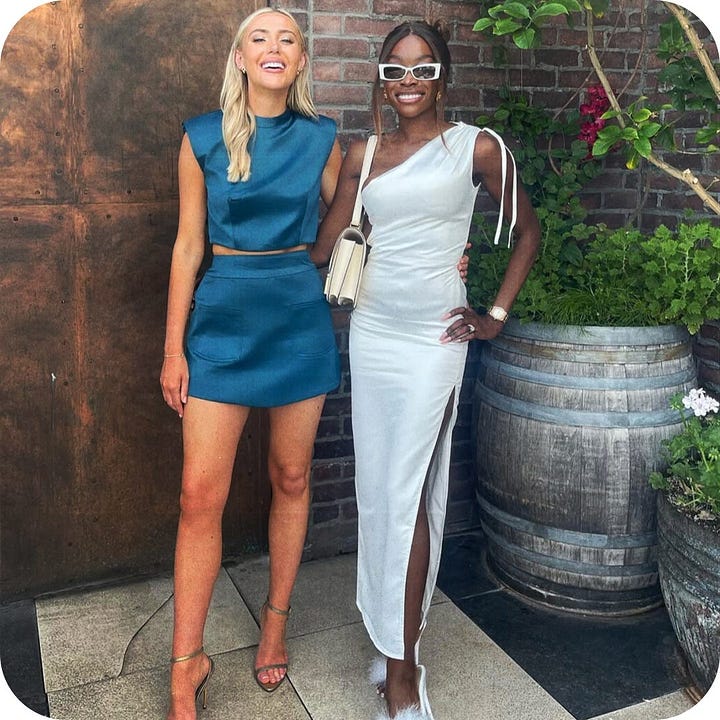
The collection, however, struggled commercially.
Why?
Because the expansion drifted from the brand’s core narrative.
The aesthetic leaned trend-driven and overtly glamorous. The refinement that made the blazer iconic felt diluted. The visual language shifted toward “of-the-moment,” while the original brand promise centered on timeless investment pieces.
Odd Muse survived that moment because the blazer continued to sell. The foundation was strong enough to absorb the misalignment.
The real turning point came later that year with the launch of the Pearl Dress.

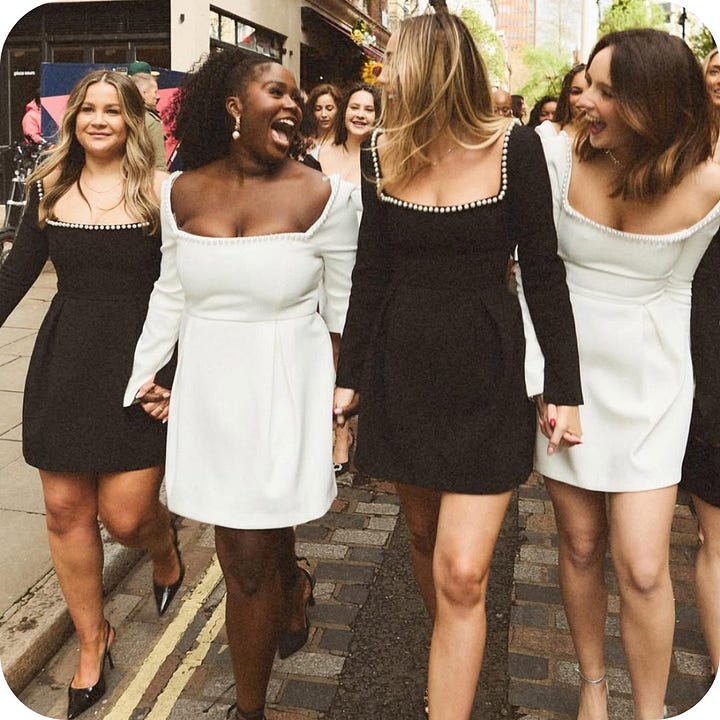
This product didn’t abandon expansion, it refined it.
Instead of interpreting “timeless” as strictly office-ready or utilitarian, the brand reframed it: a dress can be timeless if it’s the one you choose repeatedly for your most meaningful occasions.
The Pearl Dress echoed the same design codes as the blazer: a defined waist achieved through construction rather than ornamentation, curvature balanced with restraint, volume controlled through proportion. Even the button placement and neckline treatment reinforced a subtle sophistication rather than spectacle.
Revenue scaled from £400K to £1M within that year.
Not because they launched more, but because they aligned better.
This is what true Brand–Product Alignment looks like in practice: brand belief translated into silhouette, proportion, material choice, and positioning.
Odd Muse doesn’t replicate formulas. It expresses identity consistently across categories: eveningwear, knitwear, outerwear, even bridal.
When product decisions consistently translate belief into form, expansion does not dilute identity, it amplifies it.
A Framework for Product-led Growth
If you want launches to scale without eroding margins or clarity, revisit these four questions:
1. Why does your brand exist?
Beyond revenue, what role do you play in your customer’s life?
Your answer should be visible in what consistently sells, not just in what sounds aspirational.
For Odd Muse, the answer was clear: to offer young women structured, refined pieces that feel like investments in self-presentation. That clarity shaped the blazer’s architecture and later the Pearl Dress’s construction.
Your brand purpose should be visible in your best-selling silhouette.
2. How are you positioned, really?
Positioning is not a claim; it is a pattern of decisions.
Price point. Distribution channels. Launch frequency. Campaign aesthetic. Partnerships.
They all communicate something, whether intentional or not.
Odd Muse reinforced accessible luxury not only through price, but through editorial content in fashion capitals, controlled wholesale distribution, and founder-led storytelling that emphasized intentional design. Your positioning should be traceable in your distribution choices, campaign tone, and development cadence.
3. What narrative are you reinforcing?
A strong narrative requires coherence between what you say, what you show, and what you sell.
If your brand claims effortlessness but operates chaotically, customers notice.
When the LA launch leaned too heavily into high-glam spectacle, it momentarily disrupted Odd Muse’s established pattern. The brand isn’t party-centric. Its narrative centers on poised femininity and controlled elegance.
When products leaned into overt glamour, the narrative blurred.
4. Does your product embody all of this?
Your product is your most visible brand expression.
Fabric, fit, silhouette, finishing, these aren’t aesthetic decisions alone. They are strategic signals.
When these four layers align, launches stop feeling like experiments. They become natural extensions of identity.

This alignment process is the foundation of the BPA Method™, ensuring brand vision translates coherently into product decisions instead of reactive development cycles.
Before You Plan the Next Drop
If something in this newsletter resonated, start small.
Look at your past 12 months of sales:
Which SKU consistently performs?
Which one lingers in inventory?
Where do margins quietly thin out?
Have that conversation with your team.
At the same time, recognize that most internal analyses remain operational. They examine numbers without fully connecting them to brand architecture. Bridging that gap requires a more structured approach.
If you would like to explore how Brand–Product Alignment can guide your next launch cycle with greater clarity and strategic precision, you can learn more about my method and mentorship at baraldi.co.
Launching less is not the goal. Launching aligned is.
Wishing continued growth and clarity for your brand, and I look forward to sharing the next insight with you soon!
Let’s keep in touch.
Discover more about high-performance web design. Follow us on Twitter and Instagram.