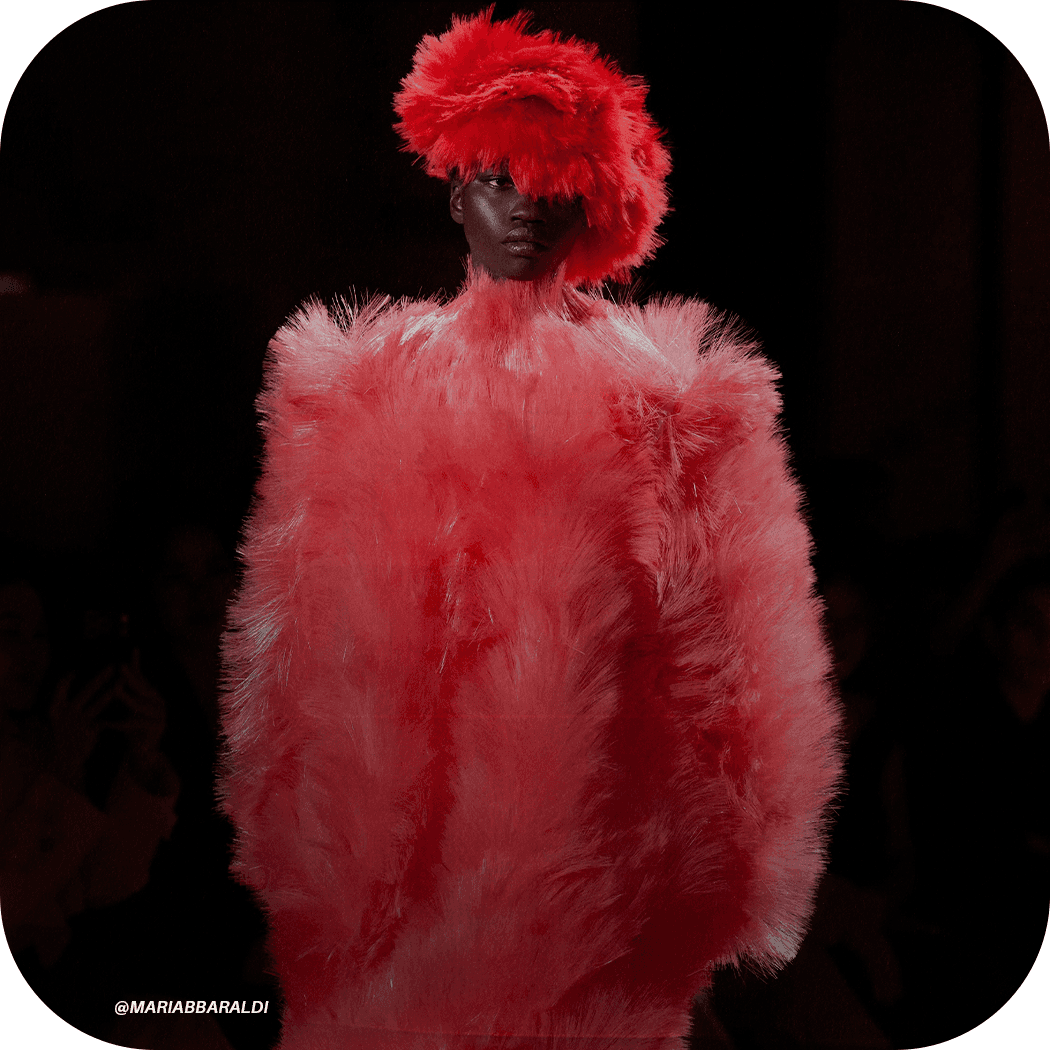

How you can transform brand identity into clothes?
Most brands lose themselves when creative directors change.
Bottega Veneta seems to do the opposite.
Over the past few years, the house has transitioned between creative directors while maintaining a remarkably clear identity when we look at the products themselves.
So how does a brand manage to evolve creatively without losing its core?
And more importantly, how can smaller brands apply that same logic when developing their own collections?
Developing a fashion collection will always be exhausting. But it becomes significantly easier when a brand has direction. Direction, however, rarely comes from trends or from observing what is working for everyone else. It comes from understanding who you are as a brand.
To understand how this works in practice, we can look at Bottega Veneta’s latest collection.
To analyze a collection, I always look through four layers: the brand’s core, its positioning, its communication, and finally how all of that translates into product.
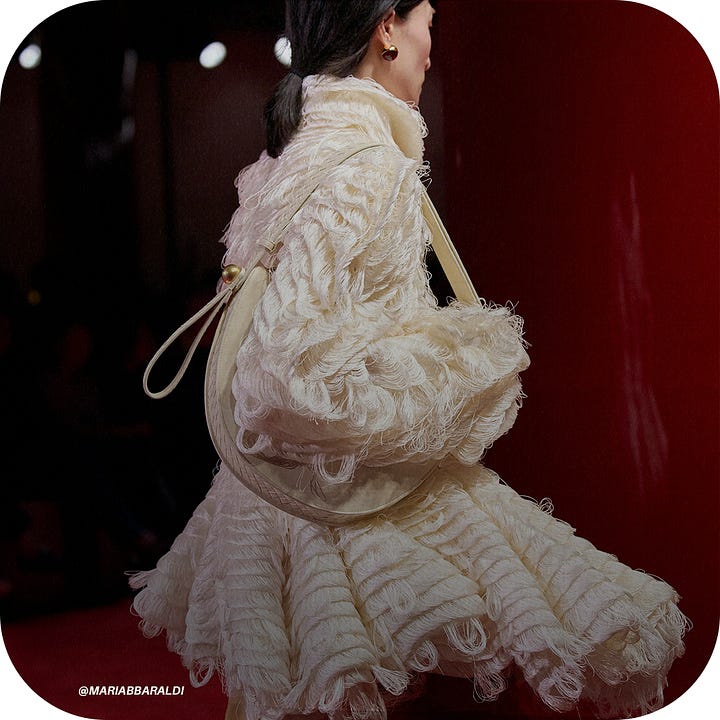
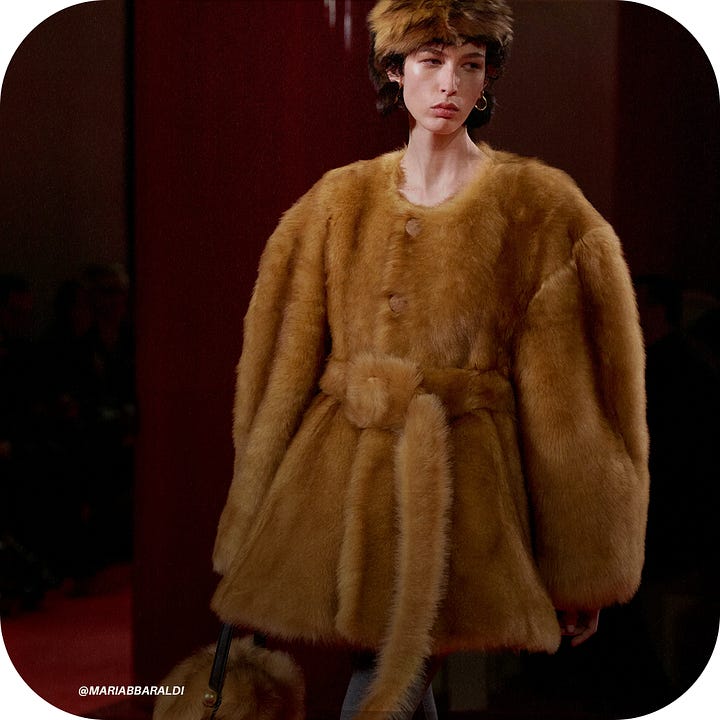
Bottega Veneta FW26 - Look 47 and 49
First: What is the core of Bottega Veneta?
Bottega Veneta is a brand rooted in craftsmanship, innovation, and functionality expressed through timeless design. Craft, however, is not treated merely as technical mastery, but as a philosophy tied to community, human connection, and the act of making.
Within the brand’s worldview, real luxury requires time.
This philosophy produces a type of elegance that does not rely on restraint alone. Bottega Veneta is rarely associated with “quiet luxury.” For the maison, deep experimentation with materials and craft requires a degree of boldness.
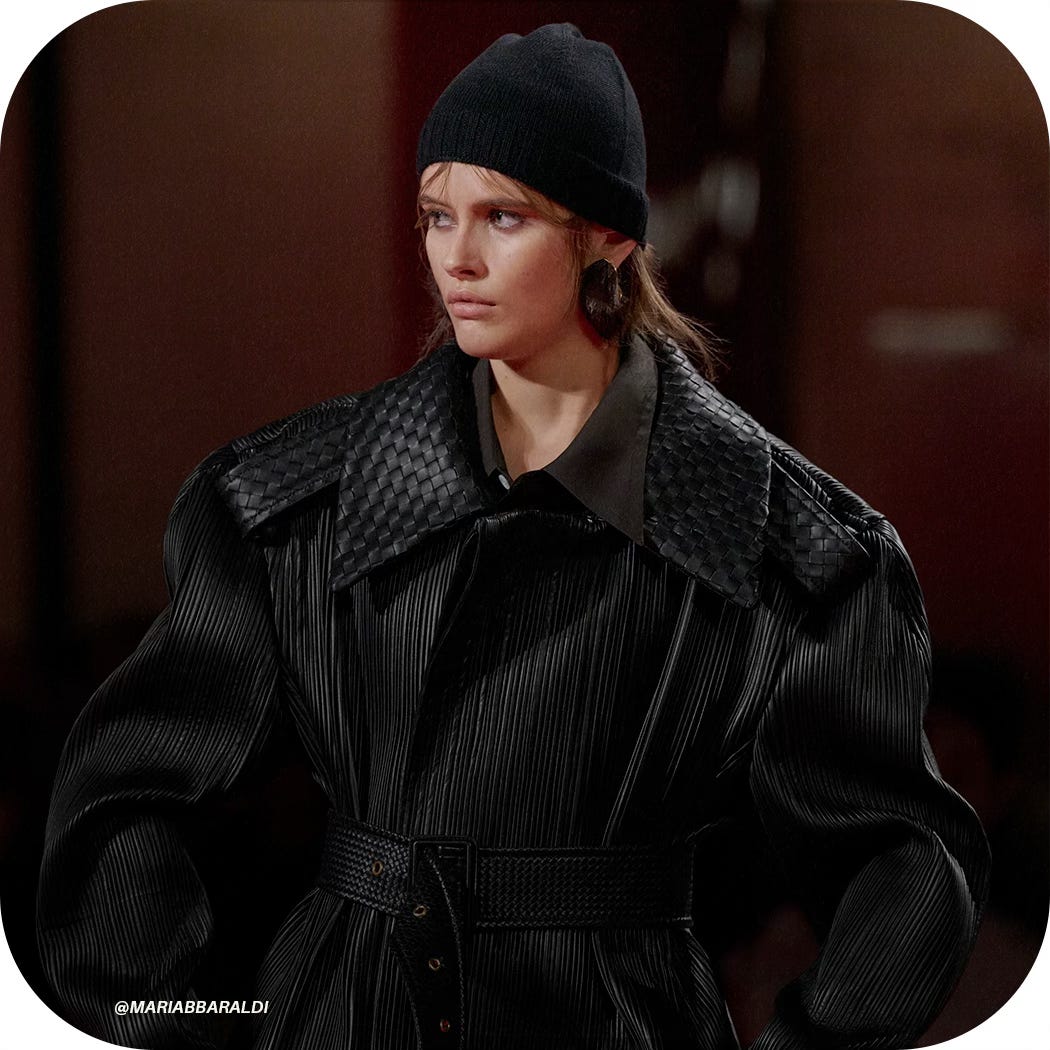
Bottega Veneta FW26 - Look 55
For the Fall/Winter 2026 collection, Louise Trotter explored a tension between brutalism and sensuality. After moving to Milan, she became fascinated by how many buildings appear austere from the outside yet warm and inviting within.
At first glance, brutalism may seem purely functional: raw materials, geometric shapes, minimal ornament. Yet within the context of Bottega Veneta, brutalism alone would feel incomplete.
Sensuality is what reveals the brand’s identity.
Functionality is important for the house, but it is not the ultimate goal. Craftsmanship is. By introducing sensual elements into the theme, the collection simplifies silhouettes without becoming minimalist. Ornamentation emerges through material experimentation rather than through decorative excess.
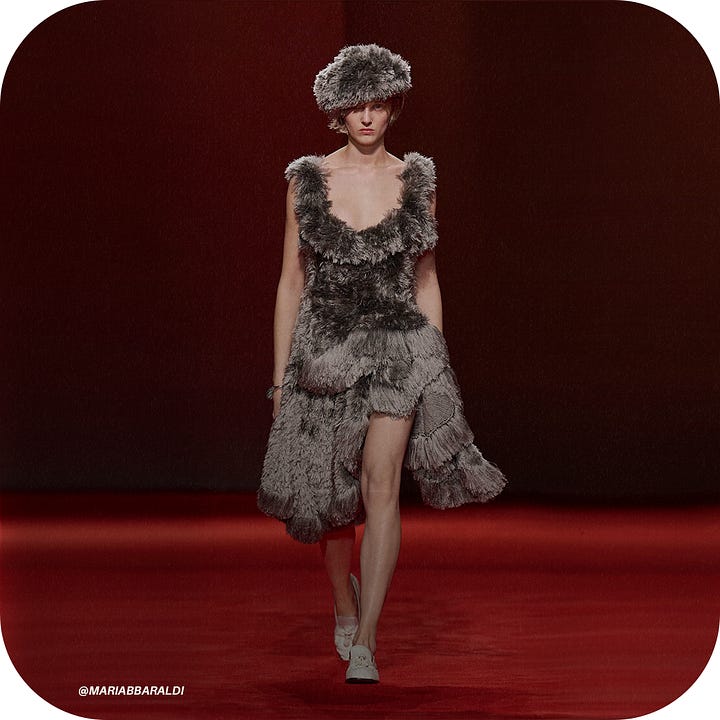
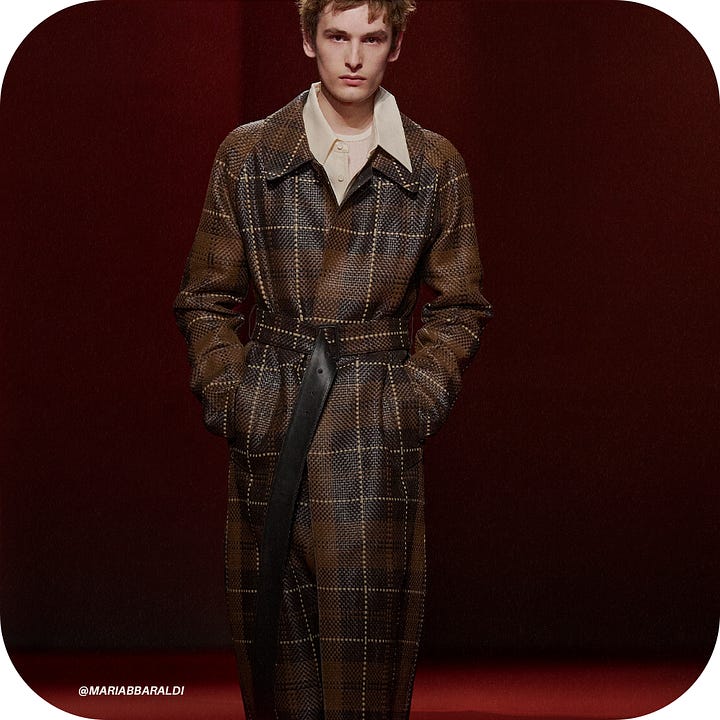
Bottega Veneta FW26 - Look 13 and 70
This is where Bottega’s identity becomes visible: innovation through craft.
Second: How does Bottega translate this philosophy into practice?
Concepts alone are not enough, a brand’s beliefs must be visible in its actions.
At Bottega Veneta, this translation happens primarily through material experimentation and artisanal technique.
Intrecciato remains the brand’s most recognizable signature. More than a decorative pattern, it represents the philosophy of craftsmanship itself. The technique requires time, precision, and highly skilled artisans.
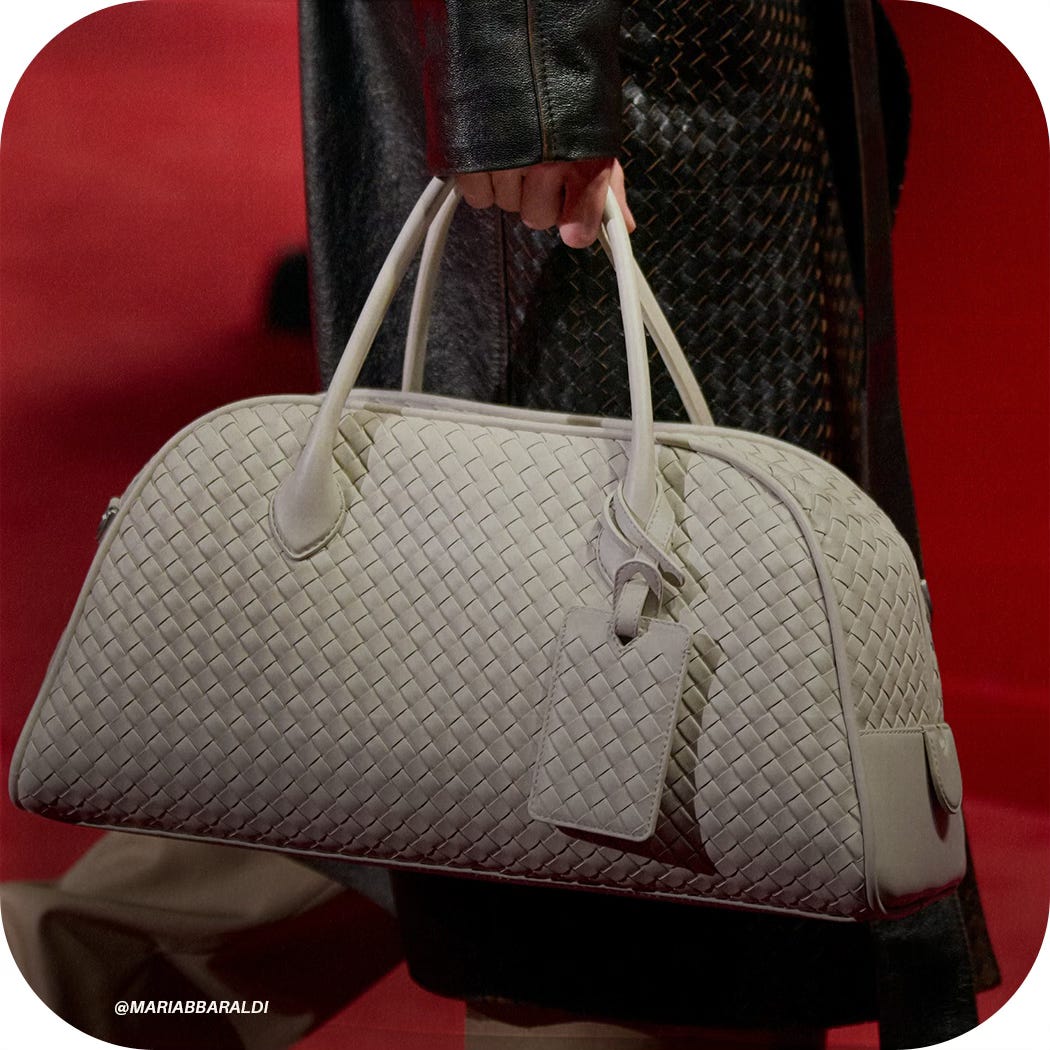
Bottega Veneta FW26 - Look 11
But what truly reinforces Bottega’s positioning is the brand’s continuous experimentation beyond this iconic code.
Interestingly, Bottega Veneta could easily rely almost entirely on its accessories business, which remains its strongest commercial driver. The runway, however, functions as a laboratory for craft exploration.
This experimentation demonstrates what the brand truly believes in.
In this particular collection, many pieces were developed to make fabrics appear to be something they are not. Materials mimic other textures. Fibers create unexpected surfaces.
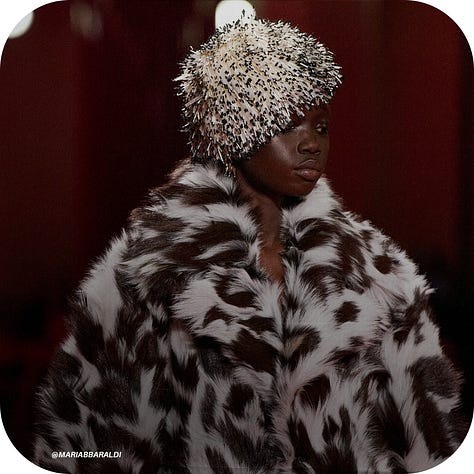
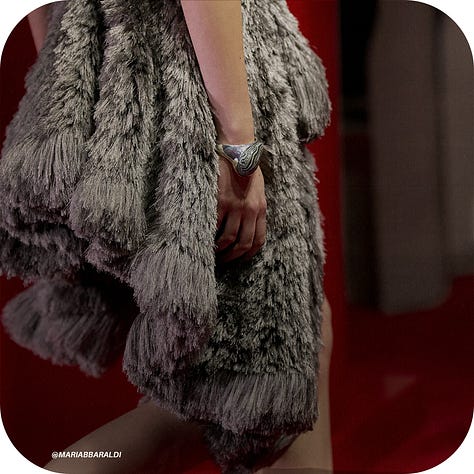
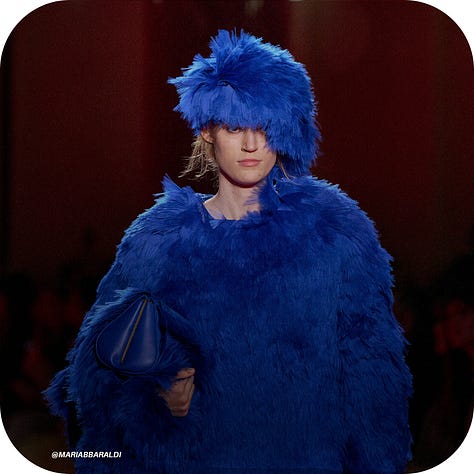
Bottega Veneta FW26 - Look 64, 70 and 79
Bottega Veneta FW26 - Backstage
The effect is subtle but powerful: the viewer becomes curious.
You want to look closer. You want to understand how something was made. The collection lingers in your mind after the show ends.
In an era where attention is one of the most valuable currencies, this is a remarkable achievement.
Craft requires time to produce, and Bottega asks the audience to spend time appreciating it.
That is luxury.
Third: How does the brand communicate these ideas?
Communication is not only verbal. It is spatial, visual, and atmospheric.
The runway environment itself reinforced the conceptual tension between brutalism and sensuality.
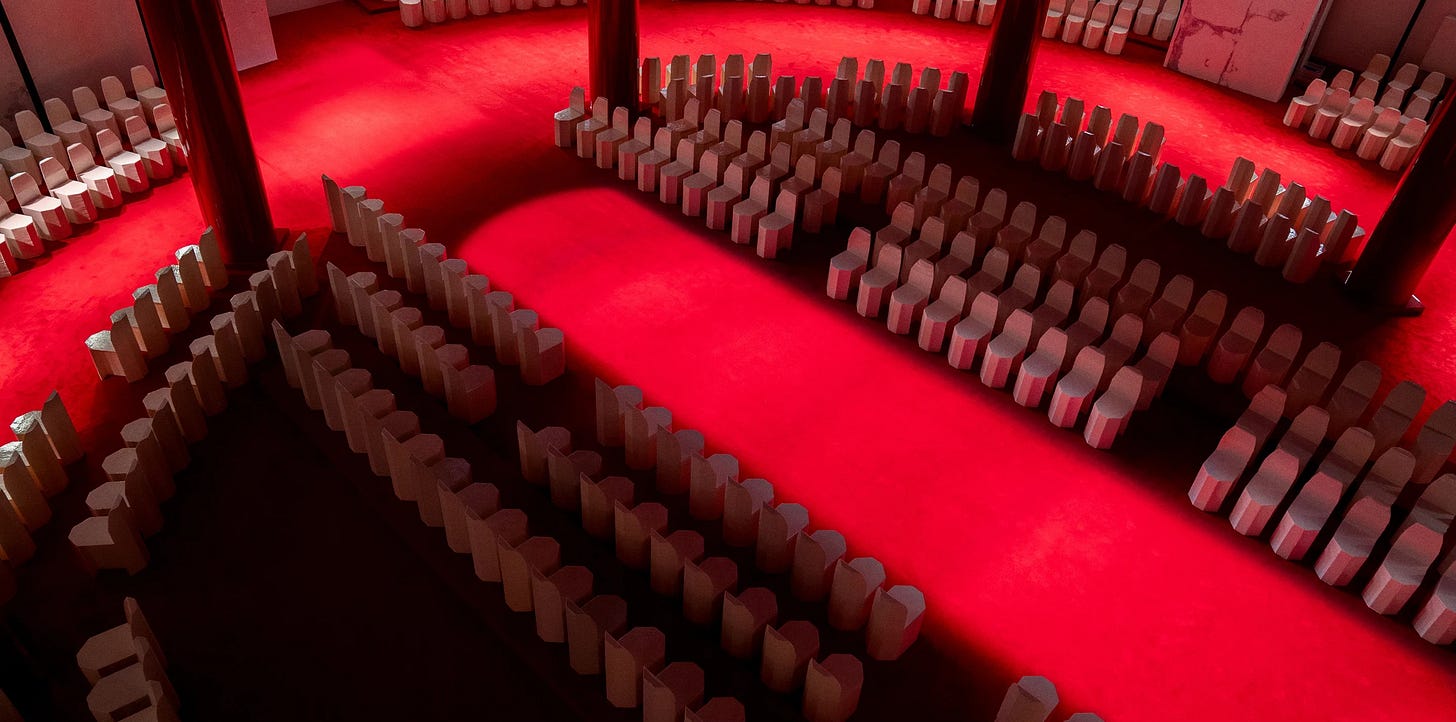
As described by the brand:
The set design combined austere, brutalist structures with warm red carpets. The environment was simple, yet not minimalist.
Even the soundtrack contributed to the narrative. Instead of sharp electronic beats, the music leaned toward a softer, almost ambient electronic soundscape.
During the show, intrecciato newspapers appeared with headlines referencing the technique itself. It was a tactile form of storytelling, communication that could be touched, not just read.
At Bottega Veneta, communication rarely relies on words alone.
On the brand’s website, the collection is described as a collaboration between “the heart, the mind, and the hand.”
This phrase captures the house’s philosophy perfectly.
Fourth: How do these ideas translate into product?
The silhouettes embody the collection’s central tension between brutalism and sensuality.
Many looks feature structured, straight lines combined with organic details. Shoulder pads appear slightly rounded. The hourglass silhouette is suggested through proportion rather than through aggressive body sculpting.
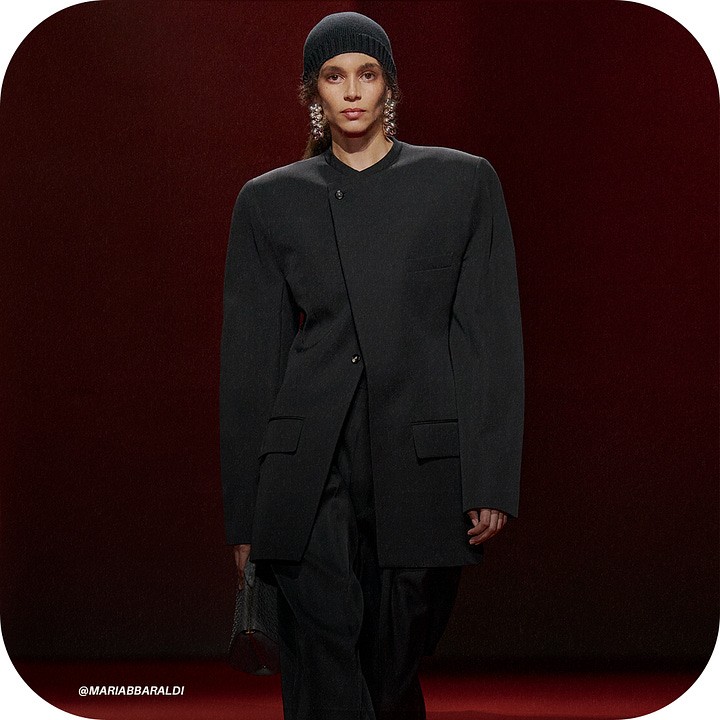
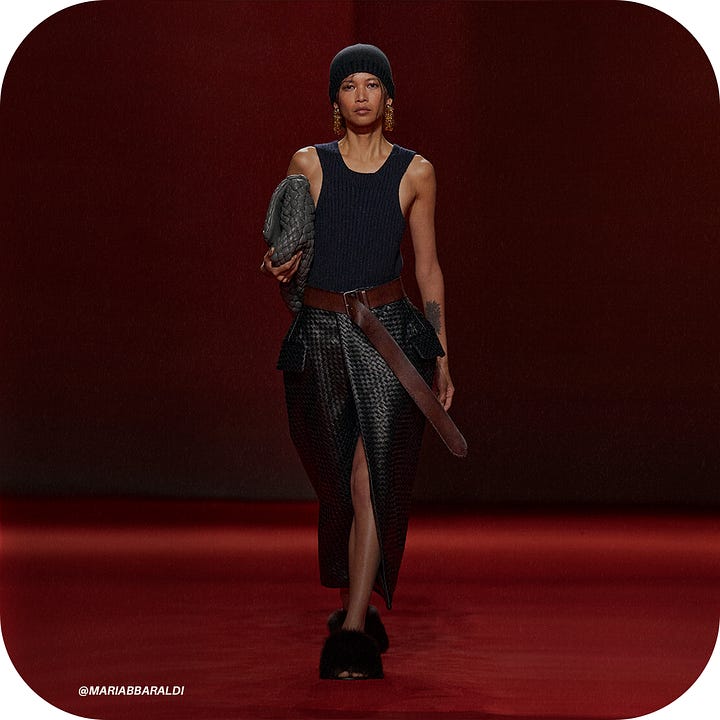
Bottega Veneta FW26 - Look 02 and 57
Sensuality appears through subtle slits and cut-outs, yet never feels exaggerated. Movement plays an important role. Fabrics and styling suggest garments designed for women who are constantly in motion.
There is a sense that the Bottega woman has somewhere to go, something to build, an idea to develop.
I once came across a quote that stayed with me:
“The coolest women you know are never entirely put together. They’re cool precisely because they don’t spend all their time on their appearance.”
Within the context of Bottega Veneta, this idea feels particularly relevant.
Real luxury requires time, and the Bottega woman chooses to spend her time creating, building, and participating in a community shaped by craft.
Louise Trotter excels at designing everyday garments that still carry personality. Even pieces that appear dramatic at first glance were described backstage as surprisingly lightweight and wearable.
The everyday, at Bottega, is simply reimagined.
How does this philosophy appear in a single look?
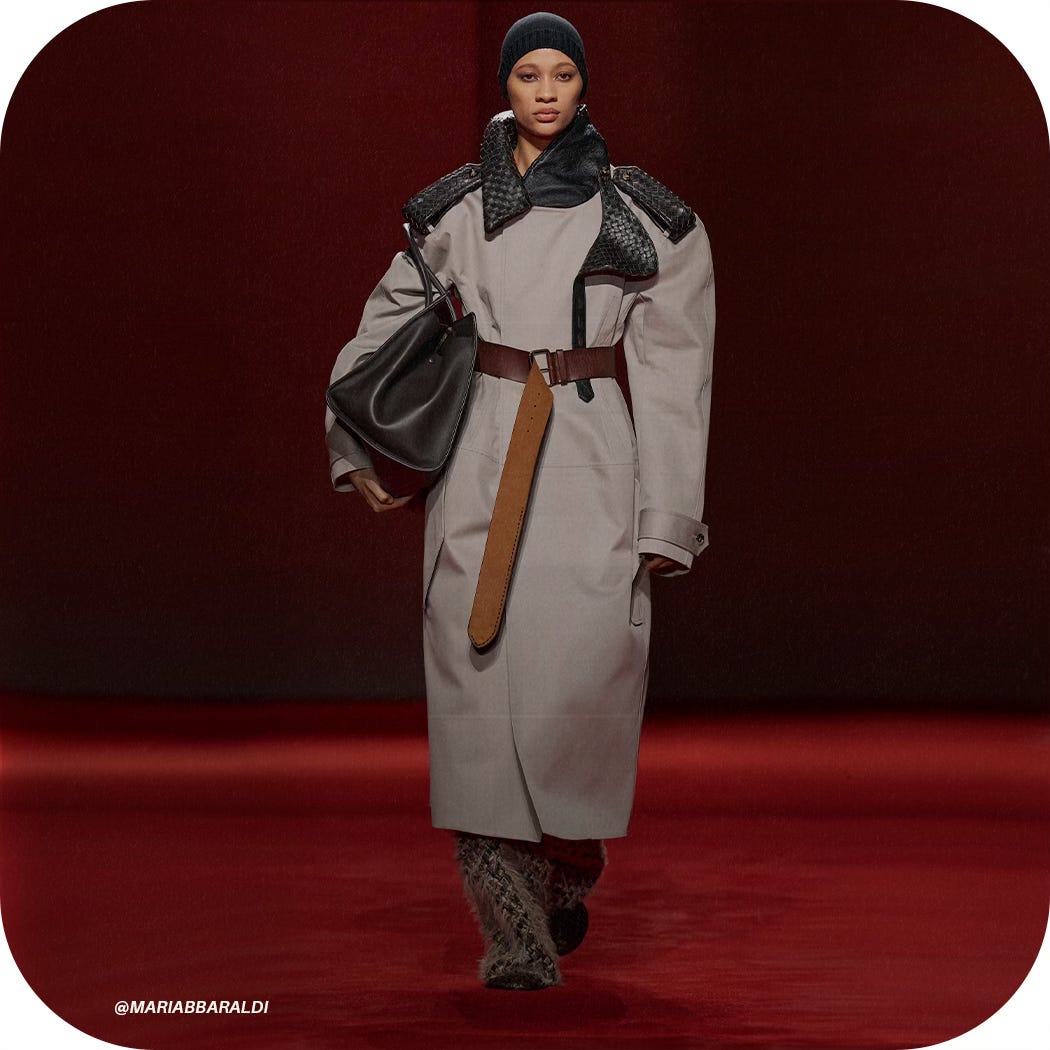
Bottega Veneta FW26 - Look 12
Look 12
This look offers a perfect example of how the brand’s philosophy materializes in clothing.
The silhouette is straight, structured by subtly rounded shoulder pads. A belt gently defines the waist, introducing a soft hourglass balance.
The use of intrecciato is restrained. Instead of dominating the entire garment, the technique appears in specific sections.
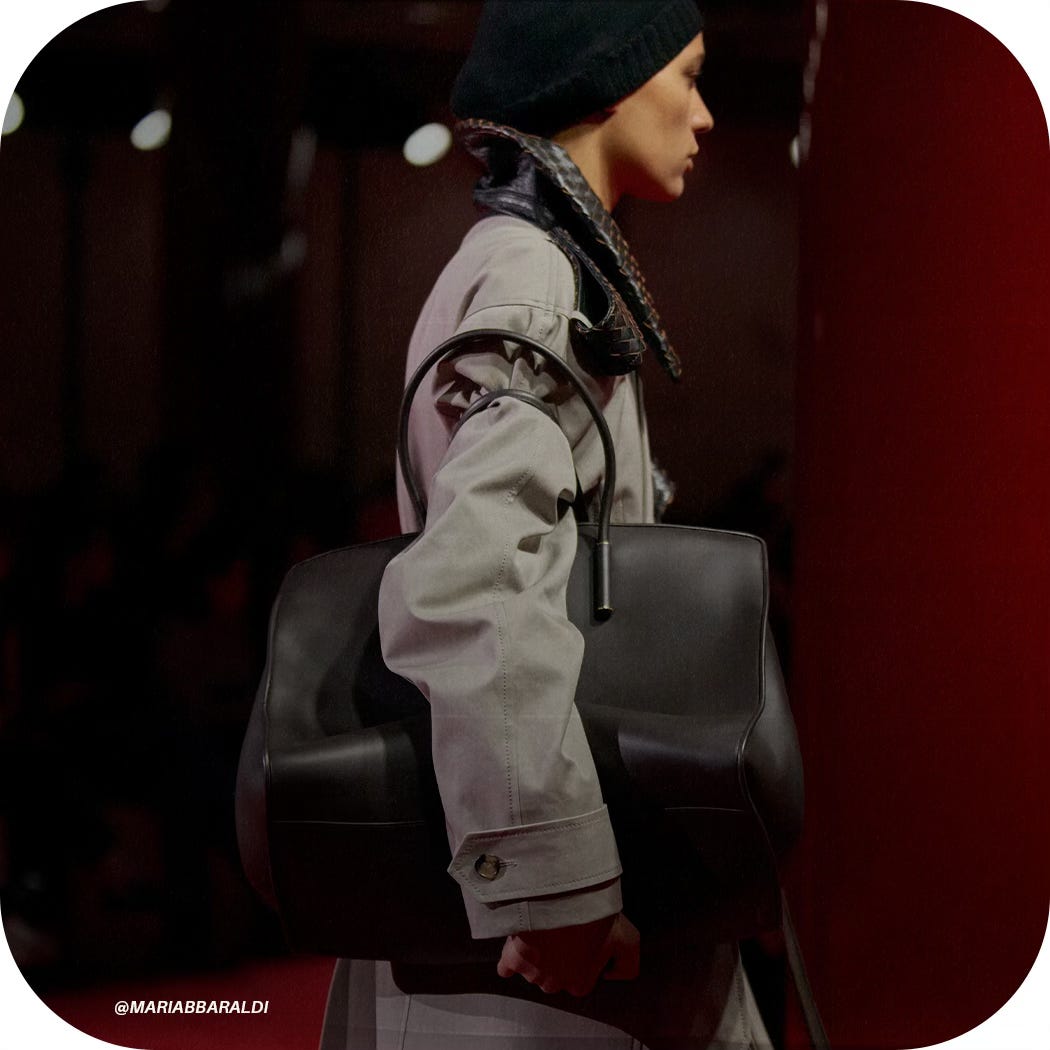
Bottega Veneta FW26 - Look 12
A less thoughtful designer might have constructed the entire trench coat in intrecciato. That would certainly emphasize the signature technique, but it would also reduce practicality and increase production complexity.
Here, craft serves the garment instead of overpowering it.
The most intriguing element of the look is actually the trousers, which remain partially hidden by the styling. Mohair fibers are pulled from within the intrecciato structure to create a feather-like surface.
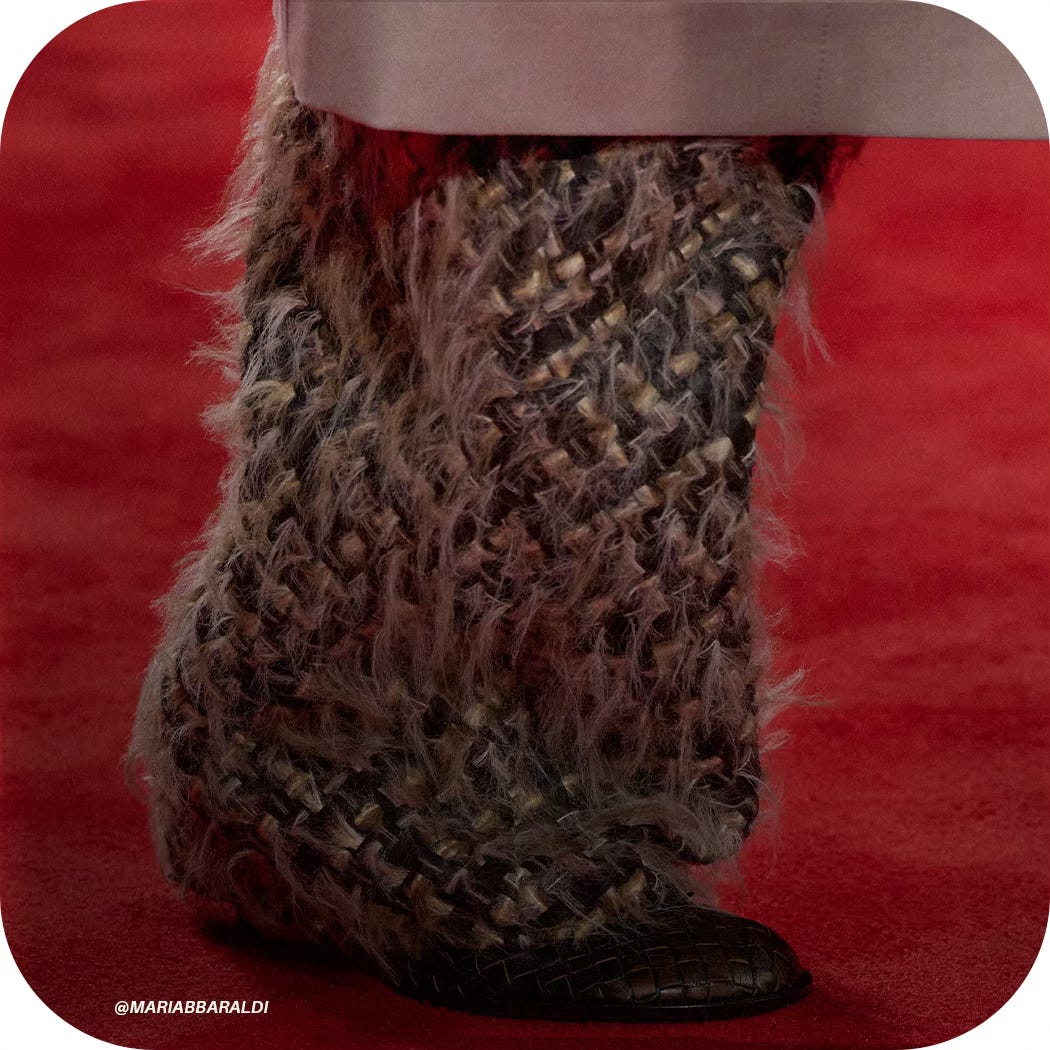
Bottega Veneta FW26 - Look 12
The craftsmanship is not immediately obvious, yet it is embedded within the garment’s structure.
At Bottega, craft is not a surface detail.
It’s the architecture of the product.
Within a single look we can observe the brand’s entire philosophy: innovation rooted in functionality, timeless design, and above all, craftsmanship.
How can smaller brands apply this thinking?
Bottega Veneta operates with resources that most brands will never have. Yet the strategic logic behind its collections can be applied at any scale.
Everything begins with clarity about the brand’s core.
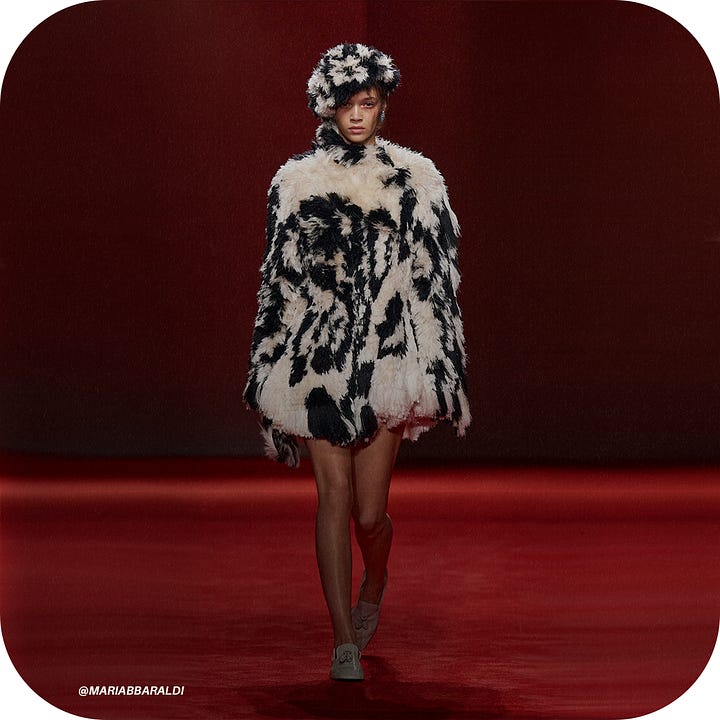
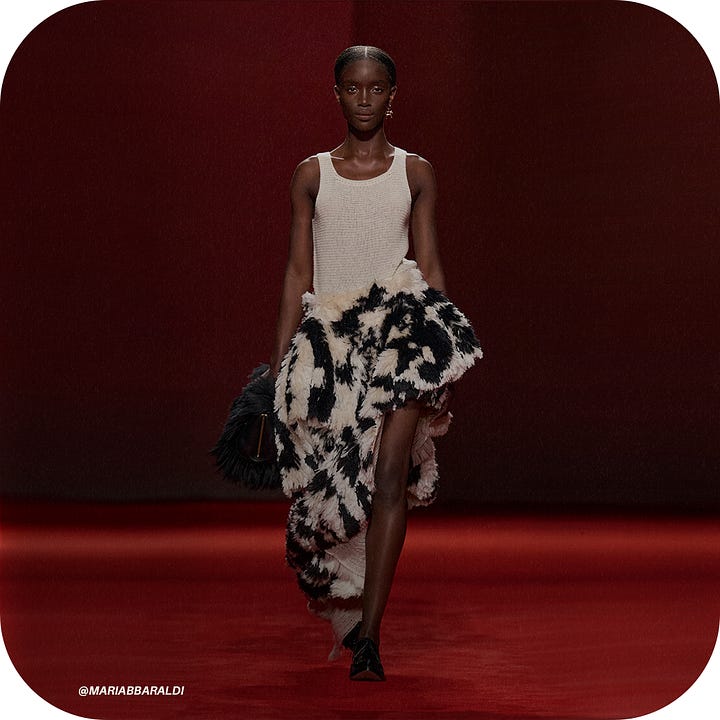
Bottega Veneta FW26 - Look 66 and 71
When a brand clearly understands what it believes in, every other layer becomes easier to define: positioning, communication, and product development.
If you are preparing your next collection, start with a few simple questions:
Why does your brand exist?
What is non-negotiable in the way you design?
What values guide your product decisions?
Have that conversation with your team.
The answers will help clarify how your brand should position itself, what it should communicate, and what kinds of products it should develop.
At the same time, translating brand values into product is rarely straightforward. Bridging the gap between brand identity and product development requires a more structured approach.
If you would like to explore how Brand–Product Alignment can guide your next launch cycle with greater clarity and strategic precision, you can learn more about my method at @mariabbaraldi, or simply reply to contact@baraldi.co.
When you truly understand who you are as a brand, developing collections becomes far less overwhelming. The number of possible directions may remain large, but the right path becomes much clearer.
Wishing continued growth and clarity for your brand, and I look forward to sharing the next insight with you soon!
Let’s keep in touch.
Discover more about high-performance web design. Follow us on Twitter and Instagram.

